
The 'Ketamine Queen' and the Death of Her Famous Friend
When an actor loved around the world slipped beneath the water, he left behind a crime scene dominated by addiction and the money-mad individuals who fuelled it. h
By the autumn evening Matthew Perry died, the Los Angeles County Medical Examiner’s Office had already begun to see an unsettling pattern emerging across ketamine-related deaths in Southern California. These cases rarely made headlines, but they appeared often enough to draw interest from narcotics detectives and federal diversion investigators. Ketamine was becoming a new pharmaceutical currency in certain social circles—actors, wellness clients, tech workers seeking anxiety relief, people recovering from addiction, individuals experimenting with dissociatives outside clinical supervision. The tragedy involving Perry did not occur in a vacuum. It was the latest, and most high-profile, outcome of a supply chain that federal authorities had been tracking for years.
When they traced Perry’s fatal dose backward through texts, bank transfers, inventory logs, and witness interviews, they found themselves circling repeatedly around one central figure: a 37-year-old businesswoman named Jasveen Sangha, whose personal history, social presentation, educational background, and organisational capabilities did not resemble the profile of a typical street-level dealer. That incongruence is what ultimately made her effective.
To understand the case, investigators began with her biography. Sangha was born in the early 1980s to a Punjabi family with long-standing ties to London’s East End retail trade. Her family operated small clothing shops; her maternal relatives had reputations for being hardworking, economically upwardly mobile, and socially well-integrated in London’s South Asian diaspora community. Her parents separated when she was young. Her mother later married a Californian businessman and relocated to Calabasas—an area better known for gated communities, upscale schools, and the type of suburban privilege that produces quietly ambitious children. Sangha moved with her.
Former schoolmates later described her as exceptionally well-spoken, high-achieving, and socially cautious; a student who kept her friend group small but cultivated. She excelled academically, showing early aptitude in organisational tasks, business coursework, and communications. She attended UC Irvine, graduating with a degree that her LinkedIn-era digital footprint associates with business administration or marketing, followed by an MBA in London. Though the subject of her dissertation is not publicly known, prosecutors have repeatedly emphasised that she possessed the intellectual ability to structure and manage complex operations.

After returning to Los Angeles, she pursued a series of professional ventures typical of young MBA graduates attempting to build flexible, self-directed careers. She co-owned a nail salon for a period. She did short-term branding consultancy work for small businesses. She explored partnerships in beauty and lifestyle sectors. She maintained a stable online aesthetic: clean, curated images featuring fashion-forward clothing, skincare products, boutique cafes, travel destinations, and the general sensibility of an LA professional whose life was comfortable, social, aspirational, and carefully designed. Her Instagram—not overtly provocative but undeniably stylised—featured occasional glamour poses, fitted dresses, beachside images, and expensive restaurants. These details may appear trivial, but investigators later argued that her aesthetic presentation and social-media persona helped position her as someone trustworthy within affluent circles—a woman whose demeanour suggested stability, refinement, and discretion.
Her romantic life prior to the ketamine investigation is only partially documented. She had long-term partners—professionals rather than individuals tied to criminal networks—and acquaintances have said she preferred relationships with men who were driven, articulate, and socially ambitious. Nothing in her early adult life indicated proximity to narcotics trafficking. This absence of a criminal history became significant later: investigators noted that her lack of prior charges made her an unlikely target for suspicion, even as her behaviour began to drift into criminal territory.
How that drift began is still being pieced together, but the federal case documents indicate that sometime in the late 2010s, Sangha met two individuals already involved in the diversion of controlled substances. One was a licensed doctor known to siphon ketamine from medical supply chains—ordering pharmaceutical-grade vials under the guise of clinic use, then selling large quantities off-book. The other was connected to wellness clients seeking ketamine outside regulated channels. It is unclear whether Sangha first entered the network through a romantic relationship or a business arrangement. What is clear is that by 2019, she had become a distribution node: storing vials, organising transactions, communicating with intermediaries, tracking quantities, and managing cash.
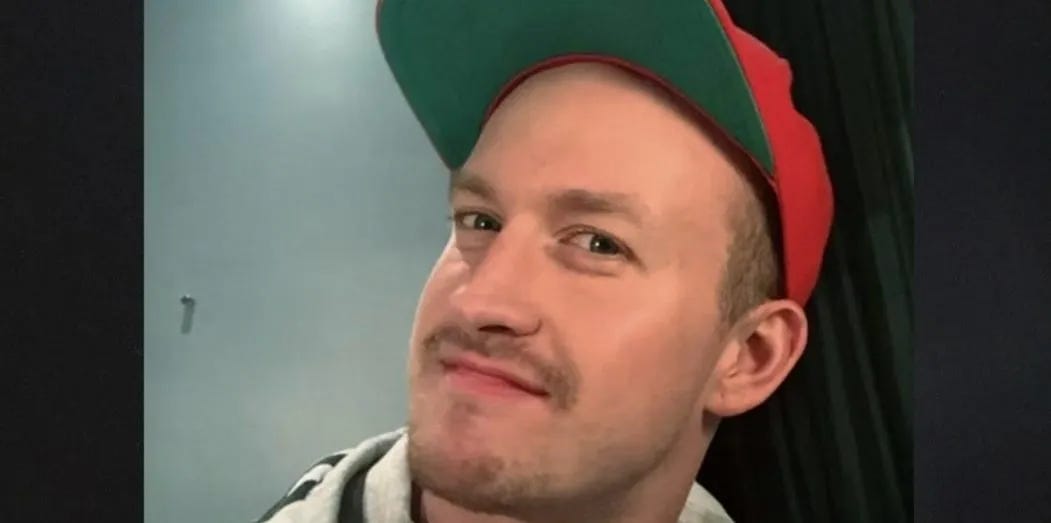
The turning point in federal interest came with the death of 30-year-old Cody McLaury in 2019. McLaury died hours after using ketamine that prosecutors later connected to Sangha. When authorities seized Sangha’s phone, they found a search query entered shortly after his death: can ketamine be cause of death. Investigators viewed this as evidence of knowledge and responsibility. Rather than withdrawing from diversion after learning that someone had died using product linked to her, she continued. It was, to prosecutors, the first major indicator of her awareness of the risks.
Her involvement deepened. She rented an apartment in North Hollywood that would later serve as the organisational hub of the operation. It was not a chaotic stash house; it was orderly, minimalist, and maintained with the precision of someone who understood the importance of concealment. When agents eventually raided it, they documented multiple mobile phones categorised by communication function, latex gloves, labelled vials, pre-sorted pills, and a money-counting machine—equipment indicative of systematic distribution rather than occasional sales. They found coded ledgers containing symbols, tally marks, product amounts, customer initials, and shorthand references that investigators later matched to text messages and bank transfers. These records were clean, organised, and methodical.
Her financial activity was similarly structured. Instead of direct transfers, she used staggered cash deposits under reporting thresholds, peer-to-peer digital payments disguised as reimbursements, and payments broken into irregular denominations—classic laundering patterns in low-volume pharmaceutical diversion. She travelled during periods in which diverted product moved through the supply chain, including trips to Vancouver and London that aligned with gaps in inventory logs. Prosecutors later argued that these trips were not the cause of diversion spikes but were strategically timed to avoid detection when stock shifted.

Her relationship with Erik Fleming appears in the BBC documentary as a focal point—not because the romantic dimension mattered to prosecutors, but because Fleming served as the conduit through which ketamine reached Matthew Perry’s assistant. Fleming, a struggling actor with periodic employment instability, purchased ketamine from Sangha and resold it. In interviews, he has described himself as overwhelmed and financially pressured. In documentary footage, he admits that Sangha was the supplier. Prosecutors described his involvement bluntly: he was her distributor. Whether she was romantically involved with him throughout the arrangement is less legally relevant than the fact that she facilitated and supervised product movement while he handled client access.
Perry’s assistant, who administered the fatal injections, told investigators he believed he was helping Perry manage anxiety and depression. He had seen Perry receive clinical ketamine infusions in the past and believed these “top-ups” were a continuation. In reality, the concentration administered was dangerously high. Toxicology reports showed ketamine levels far exceeding therapeutic parameters. Federal prosecutors emphasised repeatedly that the vials Perry received were part of the diverted stock traceable to the supply chain originating with the corrupt doctor and distributed through Sangha.
The events of Perry’s final day have now been reconstructed with significant detail. He received multiple ketamine injections within a short timeframe—intervals far shorter than medically recommended. He told acquaintances earlier that week that he felt optimistic, but also tired. The assistant injected him again later in the day. Shortly after, Perry entered his hot tub. Ketamine’s dissociative effects include impaired motor coordination and delayed reaction; immersion in water under such conditions drastically increases the risk of drowning even without fully losing consciousness. The medical examiner ruled his death the result of ketamine effects combined with drowning. The autopsy noted no evidence of foul play. The issue was dosage, frequency, and context.
Once Perry’s death became public, the DEA received a tip pointing toward Fleming. When they extracted messages from his phone, they found transaction histories referencing Sangha and images of vials matching batches traced back to the corrupt doctor. The link to Sangha was immediate. Agents obtained warrants for her devices and residence. What they found contradicted her later public statements. She had claimed she did not know ketamine she supplied was going to Perry. Yet her communications, coded ledgers, and deletion requests told a different story. The message delete all our messages, sent shortly after Perry’s death, became a central piece of evidence demonstrating consciousness of guilt.

With the network exposed, authorities dismantled it layer by layer. The first doctor involved—who had siphoned ketamine for years—was indicted on charges that included drug distribution, fraud, and falsification of medical records. This doctor, whose texts mocking Perry were included in evidence, had built his own substructure within the scheme. Another doctor, who once operated a ketamine clinic, was charged for providing dosing instructions to Perry’s assistant despite knowing the injections were unregulated and medically dangerous. Their roles varied, but the structure was consistent: diverted medical-grade ketamine entering a pipeline that Sangha organised and distributed through intermediaries.
When Sangha appeared in the BBC documentary, she offered a narrative of partial responsibility. She said she had made mistakes, that she was in love with Fleming, that she did not know where the ketamine was going. She presented herself with calm restraint. But investigators pointed out that her characterisation contradicted almost every evidentiary foundation of the case. Her plea agreement stated she knowingly participated in distribution. Her coded ledgers tracked quantities inconsistent with ignorance. Fleming’s testimony directly implicated her. The timeline of communications following Perry’s death suggested a coordinated attempt to destroy evidence. Prosecutors characterised her documentary statements as deliberate minimisation.
A fuller portrait of her personal life emerged during the investigation. Friends from her UC Irvine years described her as disciplined, socially perceptive, and image-conscious. She participated in fitness culture—Pilates, spin classes, occasional boutique gym memberships typical of Calabasas and Westside professionals. She frequented restaurants in West Hollywood and Studio City, often photographing plated meals and cocktails. She travelled internationally with friends, visiting London, Amsterdam, Mexico, Vancouver, New York. Her fashion sense leaned toward fitted silhouettes, designer handbags, understated makeup. She was not wealthy in the traditional sense but lived a lifestyle described by acquaintances as “comfortably aspirational.” Her family contributed to her stability; her stepfather’s business provided a safety net that prosecutors argued made her decision to enter narcotics distribution even more calculated.
Her romantic relationships after moving back from London continued to reflect her pattern of selecting partners who were outwardly stable. Fleming was the exception—a man whose life was marked by financial insecurity, inconsistent employment, and emotional volatility. Some have speculated that she felt responsible for him; others believe she saw him as a convenient intermediary. Investigators refrained from speculating but stated clearly that their relationship was immaterial to her culpability. Whether she loved him or used him, she supplied him.
As the federal case progressed, prosecutors emphasised Sangha’s managerial role. She did not simply possess vials—she organised supply, tracked distributions, coordinated communications with multiple sellers, and handled cash processing. They described her apartment not as a home but as an operational base. The presence of multiple phones suggested segmentation: one for buyers, one for suppliers, one for intermediaries, one for personal use. The coded notebooks were particularly damaging, as they indicated consistent tracking over long periods rather than one-off transactions.
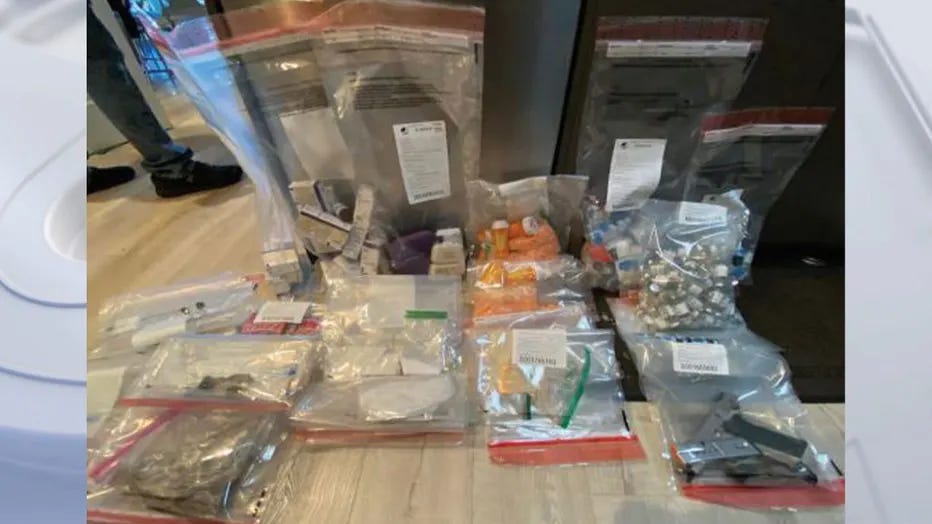
The case broadened further when investigators connected her distribution to additional deaths and overdoses. Beyond McLaury, prosecutors identified at least two non-fatal medical emergencies involving ketamine linked to her supply network. These incidents did not involve celebrities and therefore remained largely unreported, but they played a role in sentencing recommendations. Agents argued that she operated with awareness of risk and continued regardless.
Her financial footprint also became relevant. Bank records showed patterns inconsistent with her legitimate income sources. Her nail salon had been modestly profitable but would not have supported the deposits seen in peak distribution months. Cash found in her residence was bundled in denominations typical of narcotics transactions, according to agents. She had purchased designer items and taken several international trips that did not align with her reported earnings. Prosecutors referred to these discrepancies to demonstrate motive: profit, not love or accident.
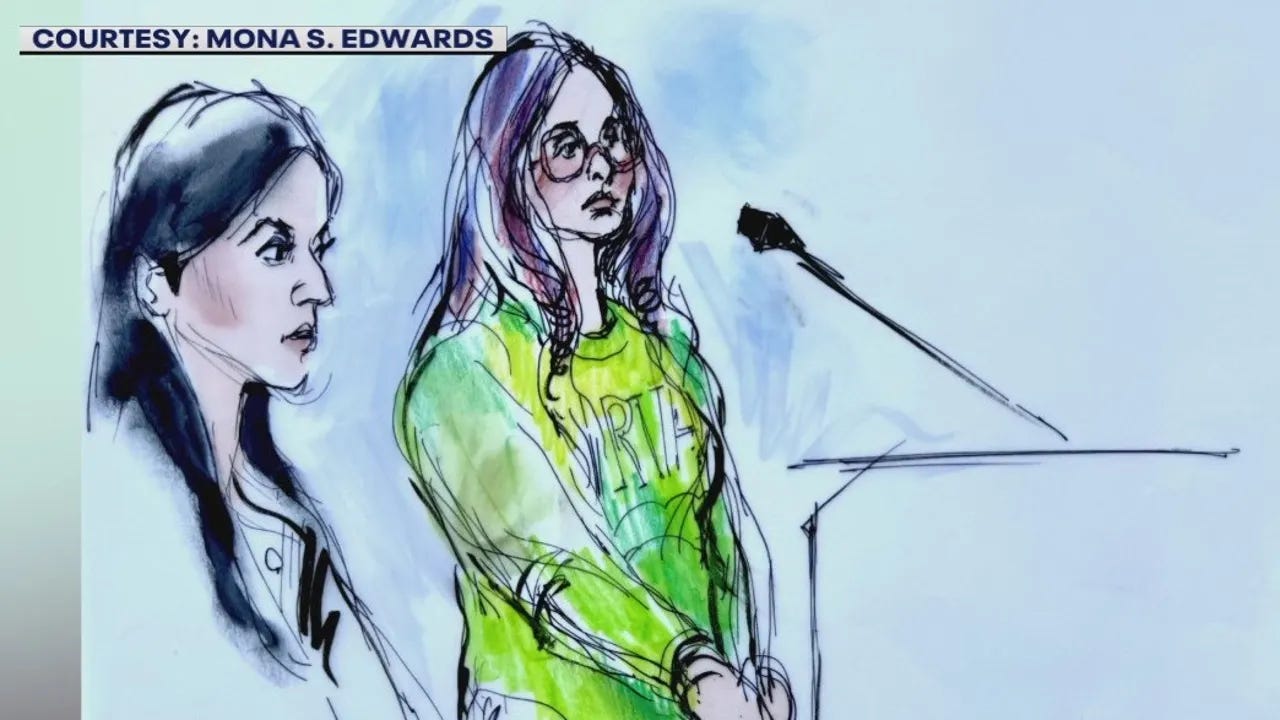
When she finally appeared in federal court to enter her guilty plea, the moment passed without public spectacle. She admitted to her role in the conspiracy, acknowledging that she distributed ketamine that ultimately reached Perry. She did not contest the prosecution’s account. She faces a maximum sentence of decades in prison. Because she pleaded guilty, the final term will likely be reduced, but even with reductions, she may serve a significant portion of her adult life in custody.
The broader implications of the case extend beyond Perry’s death. The DEA has publicly warned that diverted medical ketamine is becoming increasingly common across California’s mental-health and wellness communities. The line between therapeutic use and recreational misuse has blurred, and individuals like Sangha—educated, articulate, socially integrated—appear to be emerging as the new intermediaries. They are not traditional traffickers. They belong to the social groups their clients trust. They look like facilitators of wellness rather than dealers. This dynamic is precisely what made Sangha hard to detect.
Investigators reviewing her case noted that she relied heavily on social perception. Her curated online presence projected sophistication. Her education projected legitimacy. Her relationships projected stability. She moved in environments where people rarely suspect criminality behind manicured appearances. And she used these advantages to build a network whose sophistication was not in scale but in discretion. She organised, stored, tracked, and distributed with the precision of a person trained in business analytics. Her glamour did not hide her operation by accident; it functioned as insulation.
The tragedy of Matthew Perry’s death placed national attention on the case, but it was not his celebrity that made the investigation significant. It was what he represented: a vulnerable individual seeking relief, misled by intermediaries who treated ketamine as a commodity rather than a controlled substance. His assistant, who administered the injections, demonstrated clear remorse in interviews; he believed he was helping. He had no medical training and no understanding of dosage thresholds. He trusted intermediaries who trusted intermediaries who trusted a woman whose apartment held coded ledgers and product inventory sorted by the half-gram.
Sangha’s story is not one of chaos but of structure. She built a system. She maintained it. She refined it. And she profited from it. Her background did not predict criminal behaviour, but it equipped her to carry it out efficiently. She lived a life that outwardly suggested professionalism and stability. She curated her image. She managed her relationships. She presented herself with elegance. These traits, when repurposed toward illicit activity, made her effective in ways that more overtly criminal actors are not.
Today she awaits sentencing. Her future remains uncertain, but the federal government has made clear that they consider her role serious, intentional, and directly connected to multiple harms. Her education and intelligence, once her greatest advantages, became key evidence of her culpability. Her lifestyle, once curated to signal aspiration, became proof of financial inconsistency. Her aesthetic presentation, once admired by acquaintances, became a factor in understanding how she avoided scrutiny. And her denial of knowledge regarding Perry was contradicted so thoroughly by evidence that prosecutors described it as implausible.
The case against her will likely become a reference point in future diversion investigations. It demonstrates how pharmaceutical-grade drugs move through social networks rather than street networks, how educated individuals participate in distribution not out of addiction but profit, and how trust can be weaponised in wellness communities. It shows how a professional image can mask criminal activity more effectively than anonymity. And it exposes the vulnerabilities of people like Perry—patients whose past struggles make them susceptible to unregulated treatments promoted by people they believe are acting in their interest.
Federal agents who worked the case have noted that the most challenging aspect was not the complexity of the supply chain but the profile of the distributor. Sangha was not impulsive, chaotic, or reckless. She was systematic. Her ledgers were clean. Her storage was organised. Her communications were strategic. Her financial movements were structured. She understood logistics. She understood people. And she understood how to maintain the appearance of normalcy.
Her downfall was not sloppy operation but exposure. Perry’s death created a national event, and national events accelerate federal scrutiny. Once investigators began pulling threads, the structure of her operation became visible. Each ledger entry, each message, each cash deposit mapped onto a narrative of deliberate distribution. Each denial collapsed under documentary evidence.
Although the media coverage has often focused on the more sensational elements of the case—the glamour, the documentary appearance, the relationship with Fleming—the core truth is simpler. Sangha was a highly educated woman who used her skills to orchestrate illegal pharmaceutical distribution. Her background did not absolve her; it enabled her. Her choices were not accidents; they were decisions. And the consequences of those decisions extended beyond profit to the death of a well-known actor and the destabilisation of multiple lives.
Her family, who once saw her as a driven and capable young professional, now confront a future shaped by federal sentencing tables rather than business prospects. Her social circle, once curated carefully, has largely retreated from public comment. And the wellness community that unknowingly became a client base is now subject to increased scrutiny from regulators and law enforcement.
In the end, the case stands as a stark demonstration of how controlled substances can seep into affluent environments under the guise of self-care, how professional people can drift into criminality behind closed doors, and how an individual whose life appears composed and aspirational can build an operation with catastrophic outcomes. The story is not dramatic; it is procedural. It is not sensational; it is structural. It is a case study in how a person with opportunity, education, and social capital can choose a path that leads to harm, illegality, and irreversible consequences.
And now she waits, facing a future defined not by curated images or career ambitions but by the sentencing guidelines she once believed she could evade.