
"I WANT TO SUE NETFLIX!": The Caged Tiger King and the Witness Who Admitted He Lied - an Interview With Joe Exotic
You've likely watched the hit Netflix docuseries 'The Tiger King'. But Joe Exotic's story didn't end once the cameras stopped rolling. It has now morphed into a tale of false testimony and injustice.

At the end of last week, I called Joe Exotic, a man now famous across the world after a Netflix series went viral and turned him into a global phenomenon. He talked to me from the Texas prison he’s been caged in for the past six years - from a cell that many now believe he doesn’t deserve to be confined to.
Since his trial, new evidence has come to light, not least of all a key witness admitting that he provided false testimony to condemn the former tiger park owner.
I’ll be covering Joe’s ongoing battle for freedom over the coming weeks and months. For further reading, head over to Jessica Kraus’s Substack. She’s been following the case longer than I have and has been doing a great job of raising awareness of the story, among other cases of potential miscarriages of justice.
But first, let me go through some background, to get you up to speed (our interview can be listened to at the bottom of this article):
The road into Wynnewood, Oklahoma still runs straight and stubborn, past shuttered storefronts and sun-bleached billboards advertising churches, used cars, fireworks, bail bonds. At night the land goes dark in a way cities no longer remember, broken only by the passing beam of a lone truck or the sodium glow from a distant gas station. Years ago, if you took a certain unmarked turn and followed the gravel back toward the tree line, the darkness would thin into floodlights and metal, and the quiet would be replaced by sounds that did not belong to this geography: coughing roars, deep chuffs, the pacing of heavy bodies behind welded fence.
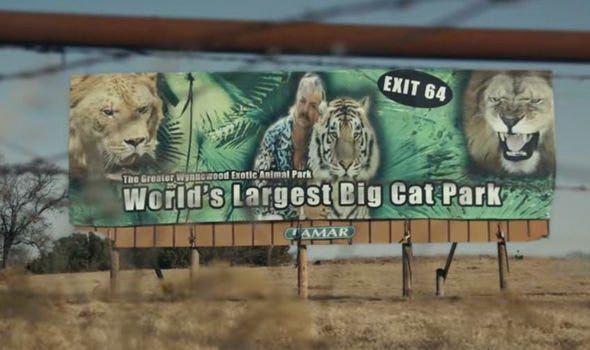
This was the Greater Wynnewood Exotic Animal Park. Sixteen acres of cages, trailers, sheds and improvisation, stitched together and held upright by the force of one man’s personality. Tigers in the middle of nowhere. It should never have worked. For years, inexplicably, it did.
It was a kingdom built on claws and cameras. And on its throne sat a man who renamed himself into character: Joe Exotic, ‘The Tiger King’.
He was born Joseph Allen Schreibvogel in 1963 in Garden City, Kansas, one of several children growing up in a working-class family that later moved to Texas.
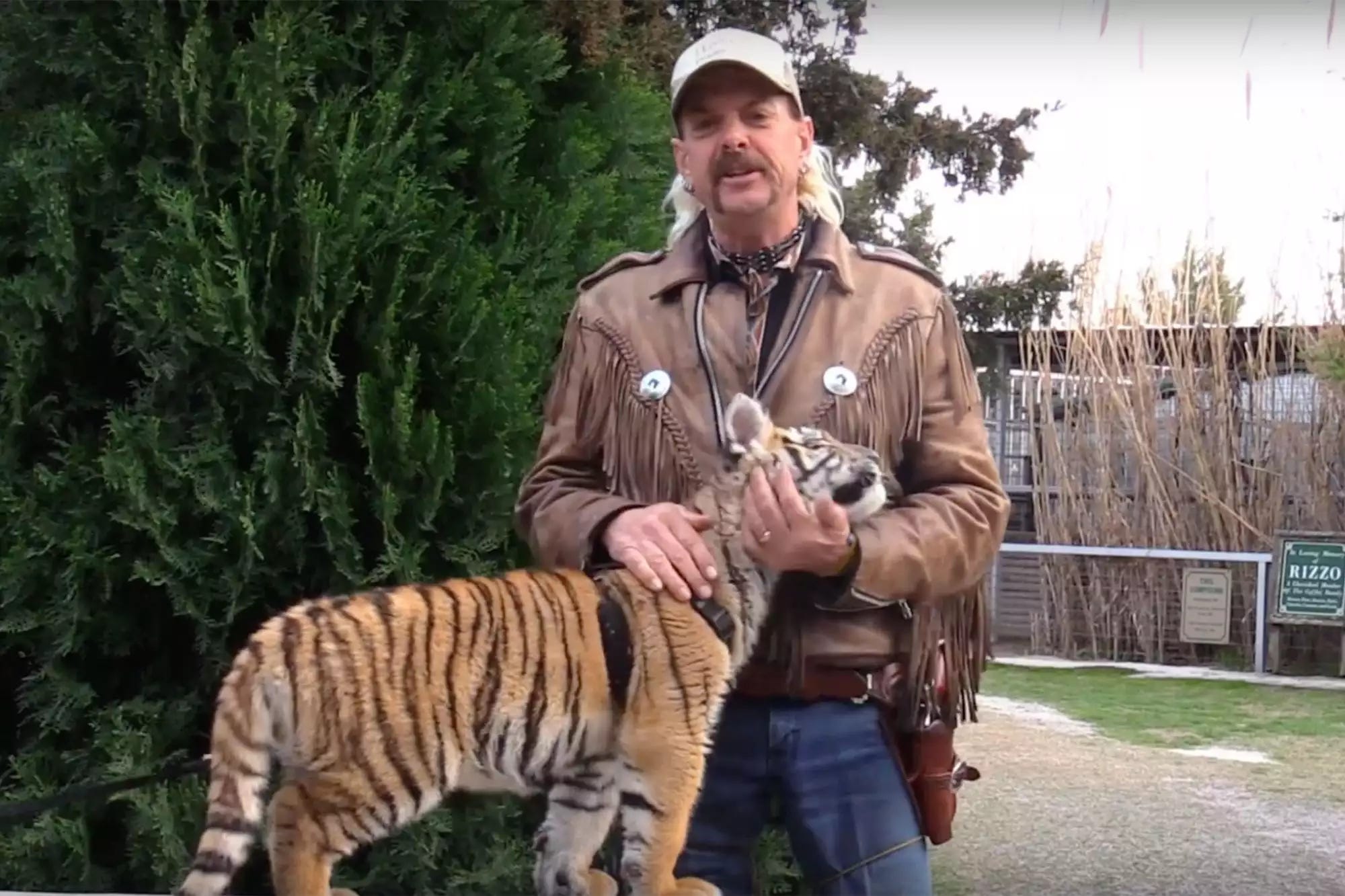
As a young man he briefly found structure in law enforcement, serving as a small-town police chief in Eastvale, Texas. His tenure ended abruptly after a serious car crash that left him badly injured. When he emerged from it, his life took a different direction.
After the crash, he drifted toward animals.
First dogs. Then birds. Then larger and rarer creatures. With animals there was no need to explain himself. He learned to bottle-feed. He learned to sedate, to train, to care. In the mid-1990s he ran a modest pet shop with his older brother Garold. In 1997, Garold was sadly killed in a car accident. His death became the hinge on which everything turned. Joe sold the shop, took the insurance money and bought rural land in Oklahoma. He called his new project the Garold Wayne Exotic Animal Memorial Park. It opened in 1999 as a small operation housing rescued exotics and a few big cats. It would not stay small for long.
People would drive for hours to touch a baby tiger. Litters were born constantly. Tiny striped bodies were bottle-fed on site. They lived comfortably in large enclosures and were carried out to public pens where tourists lined up for photographs. Visitors were told to sit quietly while a keeper placed twenty pounds of living muscle in their arms. The animals purred. Cameras flashed. The moments were brief. The money was not. When the cubs grew too large to be safely handled and no longer generated cash, they were moved to the back of the property into permanent enclosures. Adults accumulated. Cages multiplied. The park expanded outward like an improvised city of chain-link, pallets, and welding torch sparks.
Somewhere in that sprawl, Joseph Schreibvogel disappeared and Joe Exotic stepped fully into his role.
He bleached his mullet a hard yellow. He pierced his eyes. He strapped pistols to his hips and wore sequined shirts in the Oklahoma heat. He recorded country-music videos among tiger cages and hosted his own internet show from a studio on the property. He ranted endlessly about rival breeders, government inspectors and animal-rights activists. He filmed daily life and turned it into content.
The zoo was not only about animals. It was about people.
The men who lived and worked there followed an almost identical arc. They arrived young, unstable, often addicted, frequently estranged from family. Joe offered housing, work, proximity to dangerous animals, a new life, and attention.
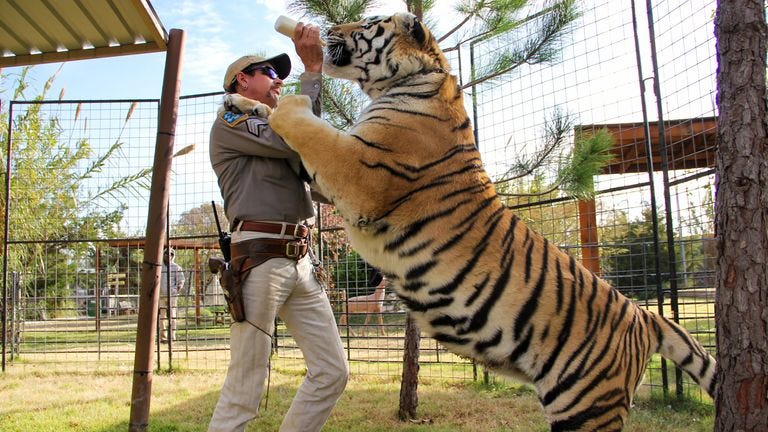
Most days at the zoo were not cinematic, nor are they in any zoo.
Employees hauled meat in the heat. They shovelled waste. They treated bite wounds. They worked with animals strong enough to kill them.
In 2013, a senior keeper known as Saff was attacked by a tiger during a routine feeding. The animal seized Saff’s arm and would not release. The scene unfolded in front of visitors. With no immediate way to sedate the tiger safely and no chance of pulling the arm free, an extreme decision was made by Saff to have the arm amputated at the shoulder. The procedure was immediate and brutal. The tiger was spared. Saff returned to work within days. Joe spoke of the incident as evidence of resilience.
Former employees would later describe the zoo as dangerous and chaotic. Supporters, just as adamant, would insist that this was nonsense, that Joe loved the animals and treated the tigers well, that he slept by their cages during storms, that he personally bottle-fed cubs around the clock.
Far from Wynnewood, another kind of tiger kingdom was operating.
In South Carolina and California, an exotic-animal trainer named Doc Antle ran sprawling parks that blended big-cat breeding with celebrity tourism and a lifestyle visitors later described as part zoo, part spiritual retreat, part Playboy mansion. Young, attractive women were recruited as apprentices. They wore matching clothing. They handled cubs for photos. They lived on site. They also, many would later say, were expected to be sexually available. Several former workers later described a pattern of manipulation, grooming, control and abuse. Pregnancies were allegedly pressured into termination. Independence was discouraged.
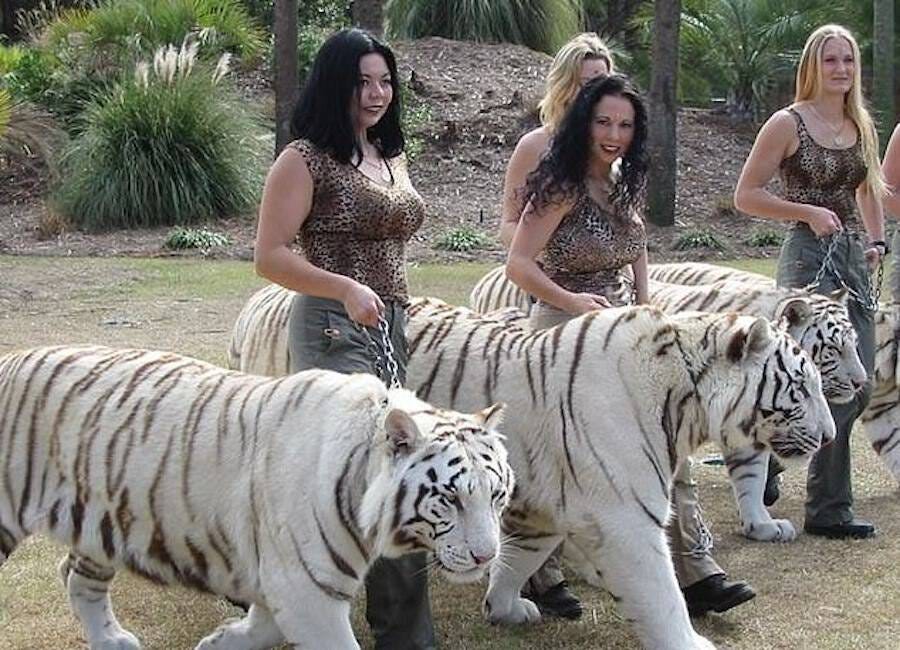
For years, Joe and Doc criticised each other publicly.
While that world spun inside the fences, another narrative hardened in Florida.
Carole Baskin ran Big Cat Rescue in Tampa, a sanctuary that she claimed was devoted to ending the very trade that sustained Joe, Doc, and ironically, at one time, herself. She and her husband Howard campaigned for federal legislation to end cub-petting and private ownership of big cats. They documented Joe’s breeding practices. They tracked the movement of cubs across state lines. They criticized him publicly and relentlessly.
Joe responded to her attacks and alleged hypocrisy by venting in eccentric videos on his website.
On his web show and in his music videos, he accused Carole of murdering her second husband, Don Lewis, who had vanished in 1997. Lewis’s van was found abandoned at a Florida airport. His body was never recovered. Carole inherited his estate after a court declared him dead five years later. Police never charged her. For Joe, the unresolved disappearance became proof. He accused her of feeding Lewis to tigers. He staged a joke mock execution with a mannequin dressed in flower crowns.
Carole answered him with court filings.
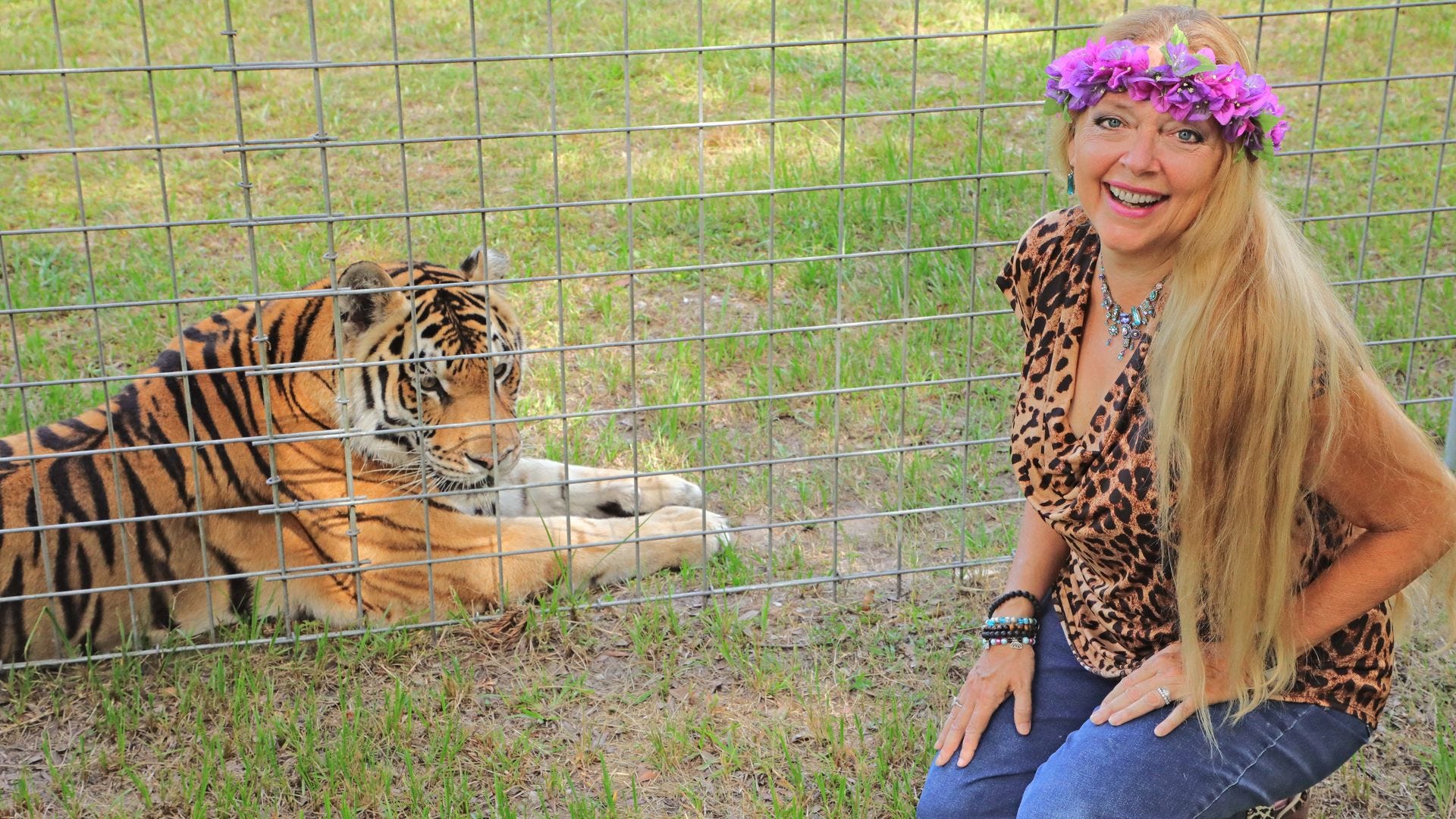
In 2013, after Joe adopted business names and branding that mimicked Big Cat Rescue, she sued. Joe was ordered to pay a judgment that grew toward a million dollars with interest. To shield the zoo, he transferred ownership on paper to his mother, then began looking for outside investors.
That manoeuvre opened the gate for Jeff Lowe.
Lowe arrived with capital, fast talk and legal threats of his own. On paper, control of the park drifted into his companies. In practice, everything shifted. By mid-2018, Joe was edged out entirely. The zoo built in his brother’s memory belonged to someone else.
According to federal prosecutors, by 2016, Joe and Carole’s feud became something else. They say he was plotting a murder-for-hire.
Two men became pivotal.
Allen Glover, a zoo worker with a serious criminal history and heavy drug use, testified that Joe offered him $3,000 to travel to Florida and kill Carole. He said Joe provided cash and a burner phone and expected the murder to be carried out.
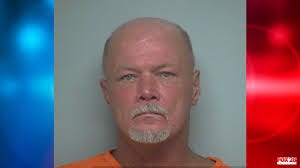
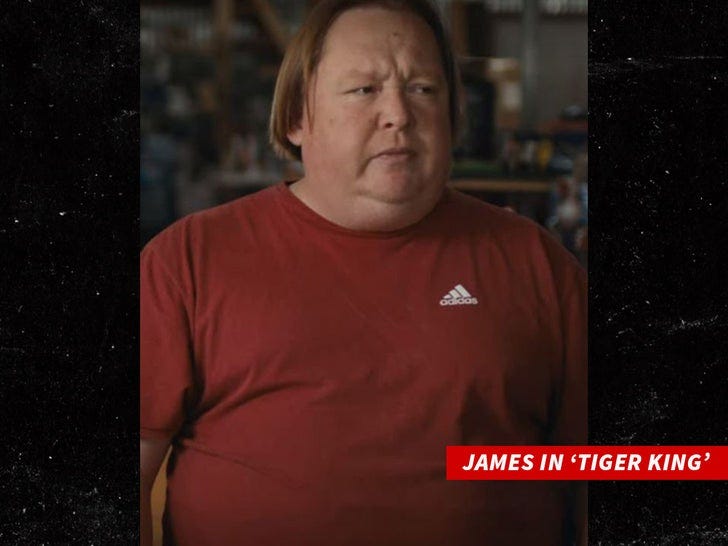
James Garretson, a strip-club owner and exotic-animal dealer, cooperated with the FBI. An undercover FBI agent posing as a hitman was introduced into the chain. Joe never handed money to the agent, but prosecutors argued that an agreement and the acts taken were sufficient to prove conspiracy.
At the same time, wildlife investigators were assembling a separate case.
They tracked years of transfers in which tigers, lions and other exotics crossed state lines allegedly under falsified paperwork.
Joe was arrested in September 2018.
A federal grand jury charged him with two counts of murder-for-hire conspiracy and seventeen counts of wildlife crimes under the Lacey Act and the Endangered Species Act. The spectacle that had defined his adult life ended at the prison gate.
The trial opened in Oklahoma City in March 2019.
They listened to Garretson describe his cooperation. They watched Glover describe taking the cash and leaving Oklahoma with the understanding he was being paid to kill someone.
The defence argued that Joe’s videos mocking Baskin were performance, not plan. That Glover and Garretson were liars seeking leniency. That Jeff Lowe manipulated the investigation to erase Joe. That the animal violations reflected negligence rather than intent.
Joe testified.
He admitted saying he wanted Carole dead but said it was exaggerated rhetoric. He admitted giving Glover money but denied it had anything to do with organising a hit. He accused witnesses of lying. He accused Jeff Lowe of engineering his downfall.
The jury deliberated less than a day.
Joe was convicted on all counts.
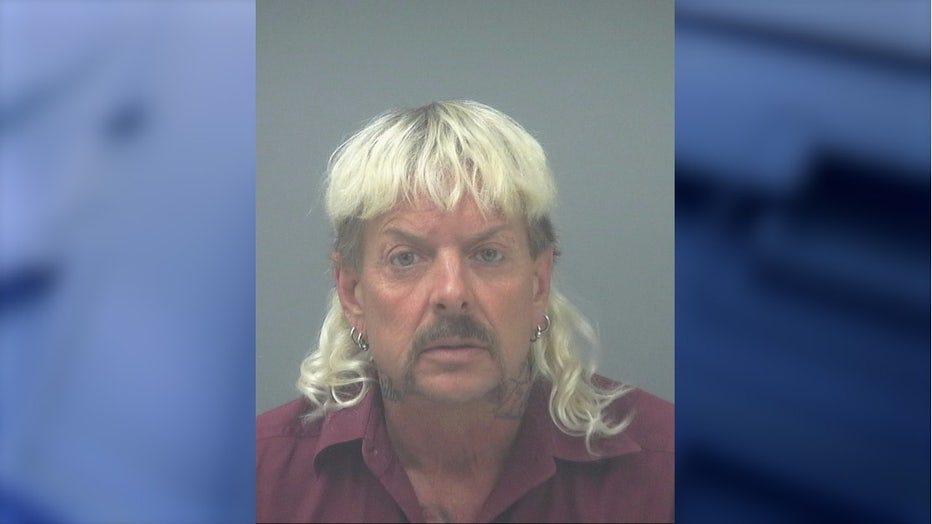
In January 2020, he was sentenced to 22 years in federal prison. The murder-for-hire counts were run consecutively. The wildlife crimes added years. The zoo never reopened.
Then Tiger King arrived.
The world consumed him as entertainment. Debate replaced law. Memes replaced evidence. Beneath all of it, a federal inmate served time.
In 2021, a federal appeals court upheld his convictions but ruled that the two murder-for-hire counts should have been grouped at sentencing. His sentence was vacated and remanded. In January 2022, he was resentenced to 21 years.
At the resentencing, Carole testified that she still feared Joe. Outside of court, she later said something more complicated: that if Joe genuinely helped dismantle the cub-petting industry and ended the trade he once profited from, she would support a reduced sentence.
Then came something that changed the story entirely: the recantations.
In sworn statements, Allen Glover admitted that he had lied at trial about key elements of his testimony, that he never truly intended to kill Carole and that his story had been shaped by pressure. Joe’s lawyers seized on it. They filed motions. They pointed to new timelines regarding Garretson’s cooperation.
In early 2025, attorney Levi McCathern announced that he believed Joe never hired anyone to kill Carole at all and that key witnesses committed perjury. The claim flared across headlines and then stalled in court. Judges left the conviction intact.
Joe now serves his sentence at a federal medical centre in Texas. He has been diagnosed with aggressive prostate cancer. He continues to apply for clemency. He continues to insist he never truly hired a killer. He speaks in alternating cadences of remorse and defiance.
Around him, the wider tiger world collapsed.
Jeff Lowe lost his exhibitor’s license. His animals were seized. Doc Antle later faced criminal convictions of his own. Big Cat Rescue closed its physical sanctuary after decades of advocacy succeeded in changing federal law.
The cages are gone from Wynnewood. The sign is gone. The gravel road leads nowhere special now.
What remains is a life that turned itself into spectacle and collided with federal law. Where one man’s performance hardened into evidence - evidence that now simply doesn’t add up.
Joe Exotic is serving 21 years for two counts of conspiracy to commit murder-for-hire and seventeen counts of wildlife crime. One of the main witnesses against him has sworn he lied. The woman Joe once joked he wanted to see dead has cautiously suggested the possibility of mercy. Supporters, even celebrities, now believe he was framed.
During our phone chat, Joe told me about his appeals, his requests for President Trump to pardon him, what he thinks about Carole Baskin now he’s had time to reflect, what he believes truly happened to her husband, about the new evidence that has come to light - even about his admiration for British MP Nigel Farage!
And, now that the cameras have stopped rolling (perhaps only temporarily, for Joe’s story is still far from over), many are coming together to growl out the same simple demand:
Release the Tiger King.