
EXPLAINER: When the 'Epstein Files' Will be Released, What's Inside, and How Democrats & Journalists Are Already Misleading You

The long-promised release of materials relating to Jeffrey Epstein has reached a decisive moment. For the first time since Epstein entered the criminal justice system more than two decades ago, the federal government is operating under a statutory deadline compelling disclosure. Under the Epstein Files Transparency Act, signed into law on November 19, the Department of Justice is required to release all unclassified records relating to Epstein within 30 days. That deadline expires this Friday. Absent further court intervention, the Justice Department must begin making materials public immediately, initiating what has been widely described as the most significant disclosure of Epstein-related documents to date.
The law’s scope is expansive. It mandates the release of investigative records, internal communications, memoranda, correspondence, evidentiary exhibits, and other materials held by federal agencies that relate to Epstein, his associates, and the investigations into his activities. While the statute allows redactions to protect victim identities and certain narrowly defined privacy interests, it does not permit blanket withholding. In effect, the burden has shifted to the government to justify secrecy rather than disclosure.
The statutory deadline has coincided with a series of court rulings that further accelerate the process. In recent days, a federal judge agreed to unseal documents relating to Epstein’s first arrest in Florida in 2005, records that have remained largely inaccessible despite their central importance to understanding how the case was handled at its earliest stage. In a separate ruling, the court also signalled that documents connected to Ghislaine Maxwell’s 2021 criminal trial may be released, subject to redactions. These rulings represent a notable change from years of judicial reluctance to revisit sealed Epstein material.
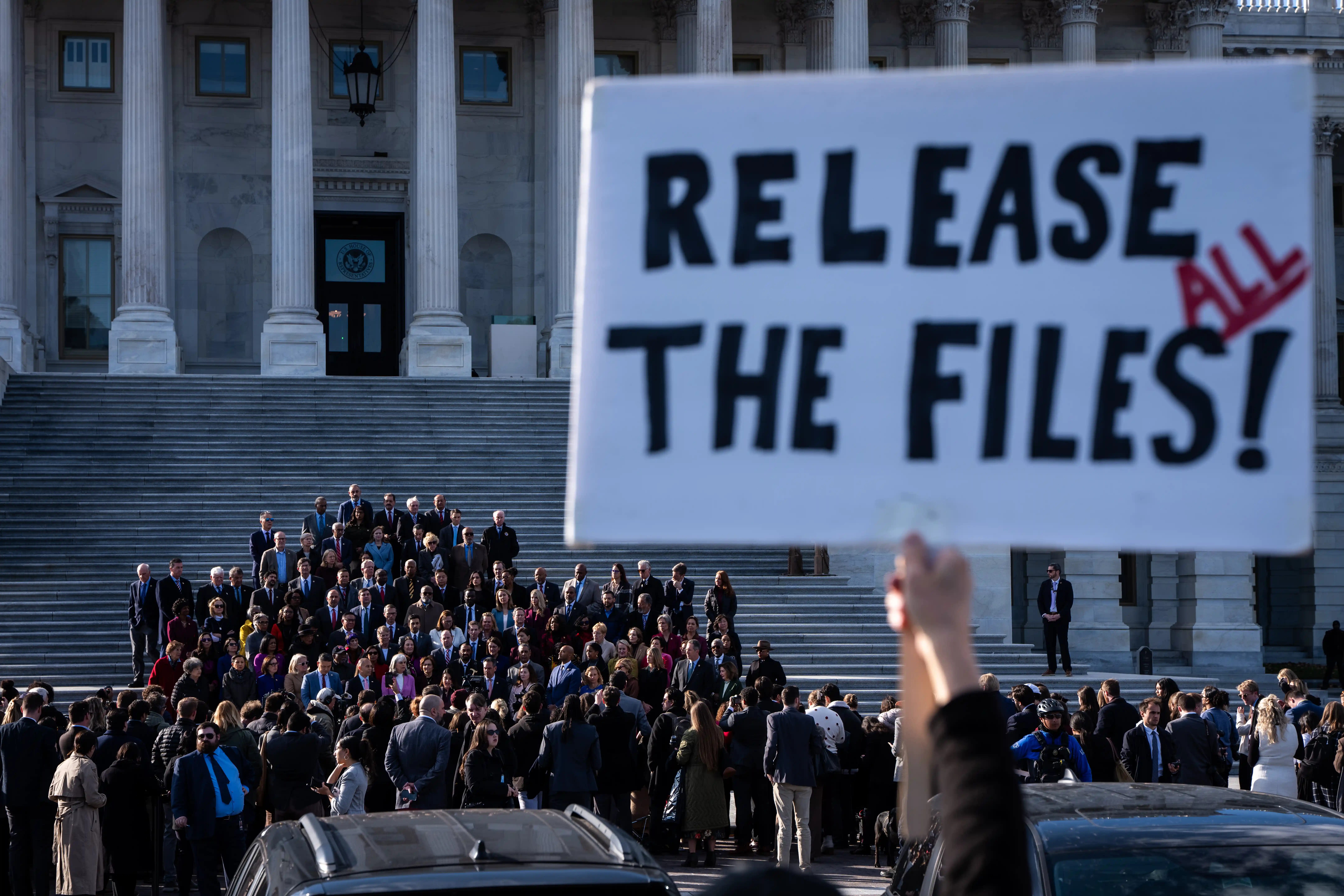
Taken together, the legislation and the court orders mean that by this Friday, the public should expect the initial release of a substantial tranche of Epstein-related documents. According to officials familiar with the process, the first batch is expected to include FBI interview summaries, internal Department of Justice communications, investigative memoranda, evidence logs, financial records, portions of grand jury material deemed releasable, and selected trial-related documents from the Maxwell prosecution. Further releases are expected to follow as redactions are completed and disputes resolved.
At the same time, the Justice Department has indicated that certain categories of material may not be released immediately. These include documents that could directly identify accusers, materials containing explicit sexual imagery, and records tied to active legal proceedings where courts have not yet ruled on disclosure. Even so, DOJ officials have acknowledged that the law leaves them limited discretion, and any continued withholding will almost certainly be challenged in court.
It is essential, however, to place the coming release in proper context. Contrary to the impression created by recent political and media coverage, the majority of what is now being branded as the “Epstein files” has already been public for many years. Since Epstein’s first arrest, and particularly through successive waves of civil litigation, journalists, lawyers, researchers, and members of the public have had access to vast quantities of material. These include sworn deposition transcripts, thousands of pages of civil court filings, exhibits, police reports, audio and video recordings of police interviews, FBI files released under the Freedom of Information Act, financial records, internal emails, and flight logs. Collectively, these disclosures already amount to many thousands of pages and have been available online, in court archives, and through investigative reporting long before the current push for transparency.
What the imminent release is expected to add is not a fundamentally new body of evidence, but rather a consolidation of material still held by the federal government that has not previously been published in full. This includes additional FBI investigative summaries, internal DOJ communications, documents connected to Epstein’s 2005 Florida arrest that were never formally unsealed, portions of grand jury material deemed releasable, and selected trial-related records from the prosecution of Ghislaine Maxwell. Courts that have reviewed portions of this material have cautioned that it is unlikely to introduce new allegations or identify previously unknown offenders, and that much of its substance will overlap with evidence already in the public domain.
The timing of the release has become a central issue in its own right. Ghislaine Maxwell is expected to file a habeas corpus petition shortly, seeking judicial review of her conviction on constitutional and procedural grounds. Habeas corpus is not an appeal; it focuses on whether a defendant’s trial complied with constitutional requirements. Maxwell’s legal team has argued that releasing investigative and trial-related materials while that petition is pending risks undermining due process by flooding the public sphere with selectively framed narratives before the court has had an opportunity to consider the legal merits of her claims. Despite those objections, the release is proceeding under statutory mandate.
Critics argue that this sequencing is not accidental. By forcing disclosure at the precise moment Maxwell prepares to challenge her conviction, they contend that political actors are shaping the environment in which her habeas petition will be received. Even if judges are insulated from public opinion, the broader public discourse may influence how filings are interpreted and reported.
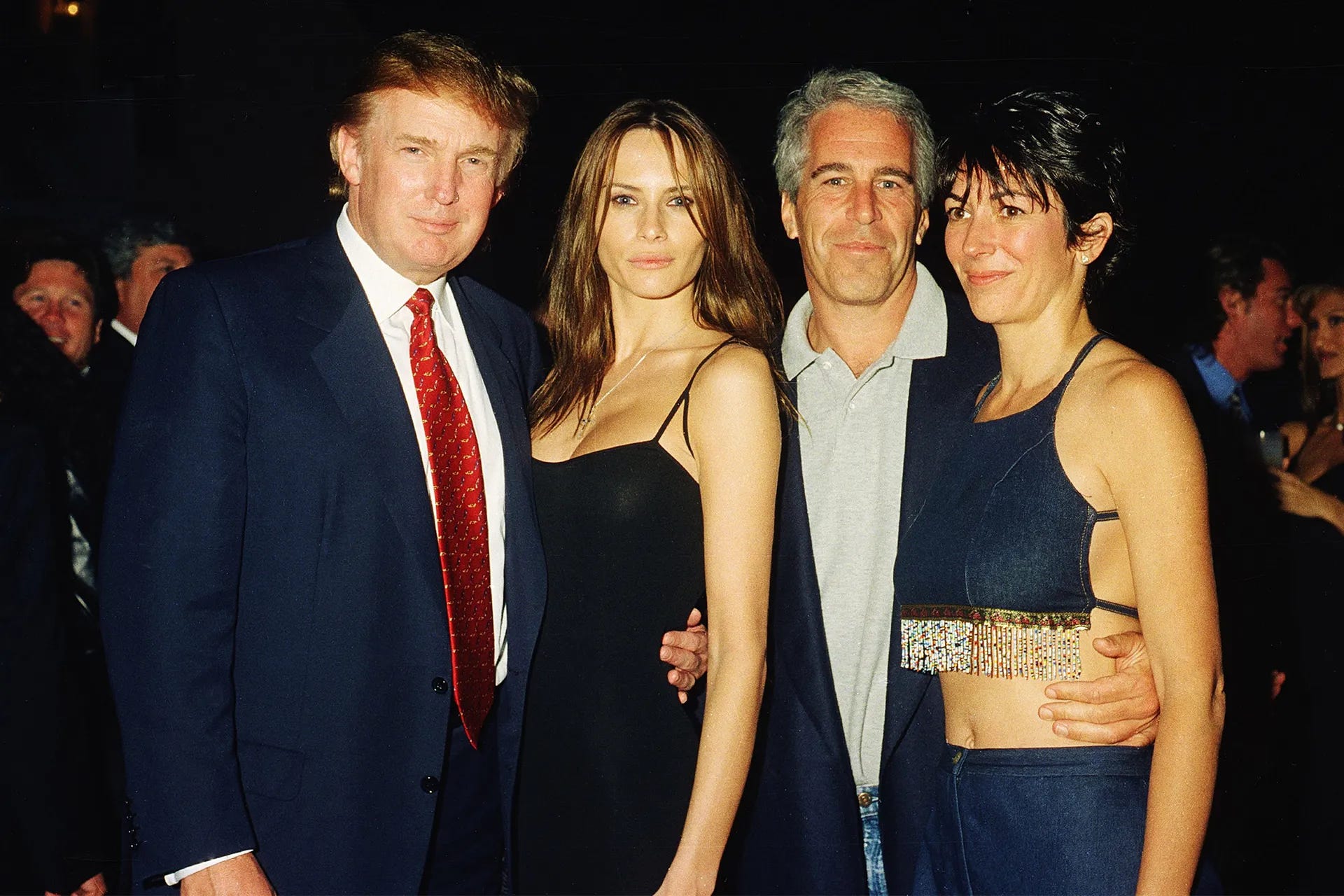
Concerns about selective framing have been fuelled by recent actions taken by House Democrats, who have already begun releasing Epstein-related material ahead of the statutory deadline. In recent weeks, Democratic lawmakers published a set of photographs obtained from Epstein’s estate, presenting them as newly revealed evidence. The images included photographs of Epstein in social settings, photographs from his properties, and a limited number of images in which Donald Trump appeared at social events with Epstein many years ago.
The release quickly drew criticism for what opponents described as selective presentation designed to create insinuation rather than clarity. Critics noted that lawmakers highlighted only a small subset of images containing Trump or Trump-related references while ignoring the far larger body of photographs depicting Epstein with numerous other public figures. In one instance, photographs showing Trump posing with women who were legally adults were released with the women’s faces redacted, despite no allegation of wrongdoing associated with the images. Critics argue that this editorial choice encouraged the public to infer something illicit where none was established.
Additional controversy followed the inclusion of items such as condoms found among Epstein’s belongings. While such items are not evidence of criminal conduct, their presentation alongside selectively chosen photographs was seen by critics as an attempt to suggest sexual misconduct by association. The broader context of Epstein’s estate, which contained thousands of ordinary personal items, was largely omitted.
Journalists and fact-checkers soon pointed out that many of the photographs described as newly uncovered had, in fact, been public for years. BBC Verify journalist Shayan Sardarizadeh noted publicly that a significant number of the images had appeared previously in court exhibits, civil litigation disclosures, or earlier media reporting. The portrayal of the release as unveiling previously hidden material was therefore misleading, critics said, and contributed to a distorted sense of revelation.
A similar pattern emerged in the handling of images from Epstein’s private island. Lawmakers and media outlets described the photographs as “harrowing,” with particular emphasis placed on decorative masks mounted on walls. Some coverage referred to these as “death masks,” implying ritualistic or sinister significance. Subsequent examination showed that the masks were ornamental and included recognisable theatrical figures such as Laurel and Hardy. Critics accused lawmakers and sympathetic outlets of exaggerating ordinary interior décor to create a sense of menace unsupported by the images themselves. Photographs of rooms, hallways, and a swimming pool were likewise described as disturbing despite showing no evidence of criminal activity.
Further criticism has centred on the release of unsealed emails written by Epstein and publicised by House Democrats. In one widely circulated example, an Epstein email referring to a woman spending time with Donald Trump was released with the woman’s name redacted. Critics argue that this redaction materially altered how the email was understood by the public. The redacted name was Virginia Giuffre, who has gone on record repeatedly stating that Trump did not engage in sexual activity with her and did not behave improperly with any of Epstein’s accusers. By withholding her identity, critics say, lawmakers and media outlets removed crucial context, allowing readers to infer misconduct that Giuffre herself has consistently denied.
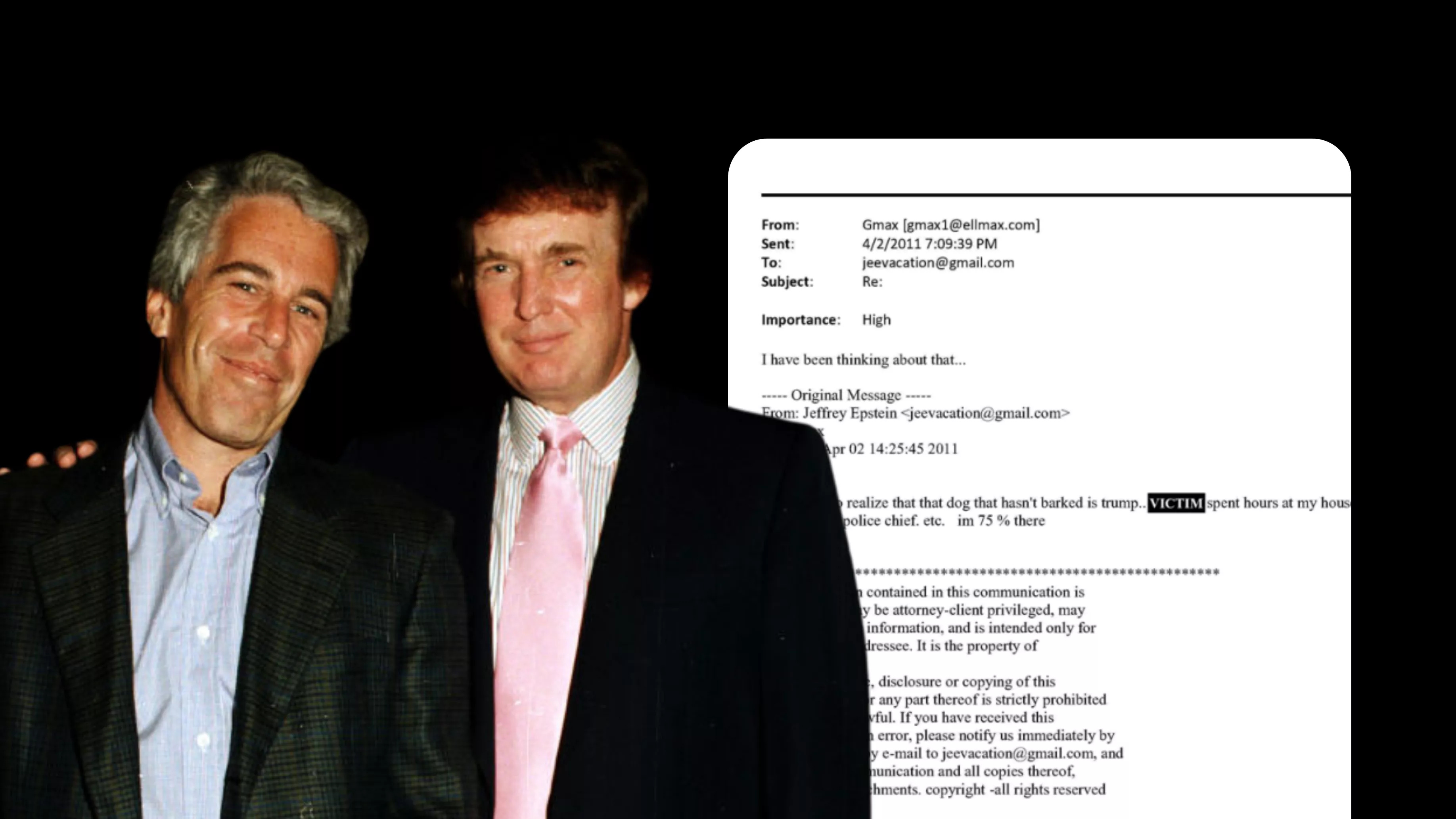
Critics further argue that the redaction was unnecessary given that Giuffre is a public figure who has spoken extensively about her experiences. Once her identity is restored, they contend, the insinuation embedded in the email collapses, as her own statements directly contradict any suggestion of wrongdoing by Trump. The episode has become emblematic of broader concerns that Epstein-related material is being selectively edited to invite misinterpretation.
Scrutiny has also intensified around the role of attorneys representing several Epstein accusers. In a recent letter to the court, these lawyers acknowledged that they have been working pro bono alongside House Democrats in connection with the disclosure of Epstein-related materials. Critics describe this arrangement as deeply concerning. These same lawyers are currently involved in high-value civil litigation against major financial institutions, seeking damages running into the millions of dollars, while simultaneously advocating positions aligned with partisan objectives, including opposing any relief for Maxwell and promoting narratives implicating political figures.
Observers warn that this convergence of legal advocacy, political coordination, and financial interest creates a dangerous conflict. By influencing how Epstein-related materials are released and framed, these lawyers may be shaping public perception in ways that could affect parallel civil lawsuits, ongoing criminal proceedings, and post-conviction review. Critics argue that this risks blurring the line between justice and leverage.
As Friday’s deadline approaches, expectations remain divided. Some anticipate explosive revelations implicating powerful individuals. Others, including judges who have reviewed portions of the sealed material, caution that the release will largely confirm what is already known rather than expose new wrongdoing. Grand jury material, in particular, consists largely of hearsay and prosecutorial summaries, not tested evidence, and courts have repeatedly warned that such material can be easily misunderstood.
As Maxwell’s habeas corpus petition is expected to be filed shortly, it will initiate a critical new phase of post-conviction litigation focused on constitutional and procedural issues arising from her trial. I will be covering that filing in detail as it unfolds, including analysis of the legal arguments being advanced and exclusive insight into the substance of the petition itself, the evidence relied upon, and the legal strategy behind it.
The release of the Epstein files has been framed as an act of transparency. Critics, however, argue that the timing and presentation suggest a different objective: to undermine due process for Maxwell and to generate sensational headlines that smear Trump through selective disclosure and misrepresentation. Whether the release ultimately advances accountability or deepens confusion will depend less on what is disclosed than on how responsibly it is presented and interpreted. What is certain is that the deadline has arrived, the files are coming, and the narrative surrounding them is already being fiercely contested.