
EXCLUSIVE: "I've Been Told Who Might Have Put a Hit Out On My Brother" - Listen To Mark Epstein Talk About the Curious Death of Jeff
In a long, explosive audio interview, Mark Epstein goes into graphic detail about his brother's death, his ongoing investigation, the final night in prison, the autopsy, & why he thinks it was murder.

Mark Epstein was born in Brooklyn in 1954, two years after his older brother, Jeffrey Epstein. The brothers were raised in a working-class Jewish household in Coney Island, New York, the sons of Seymour Epstein, a gardener for New York City’s parks department, and Pauline Epstein, a school aide. Their childhood was defined by modest means, strong family bonds, and an emphasis on education as the primary route to stability and opportunity. There was no inherited wealth, no social privilege, and no early indication that either brother would one day be a figure of international notoriety.
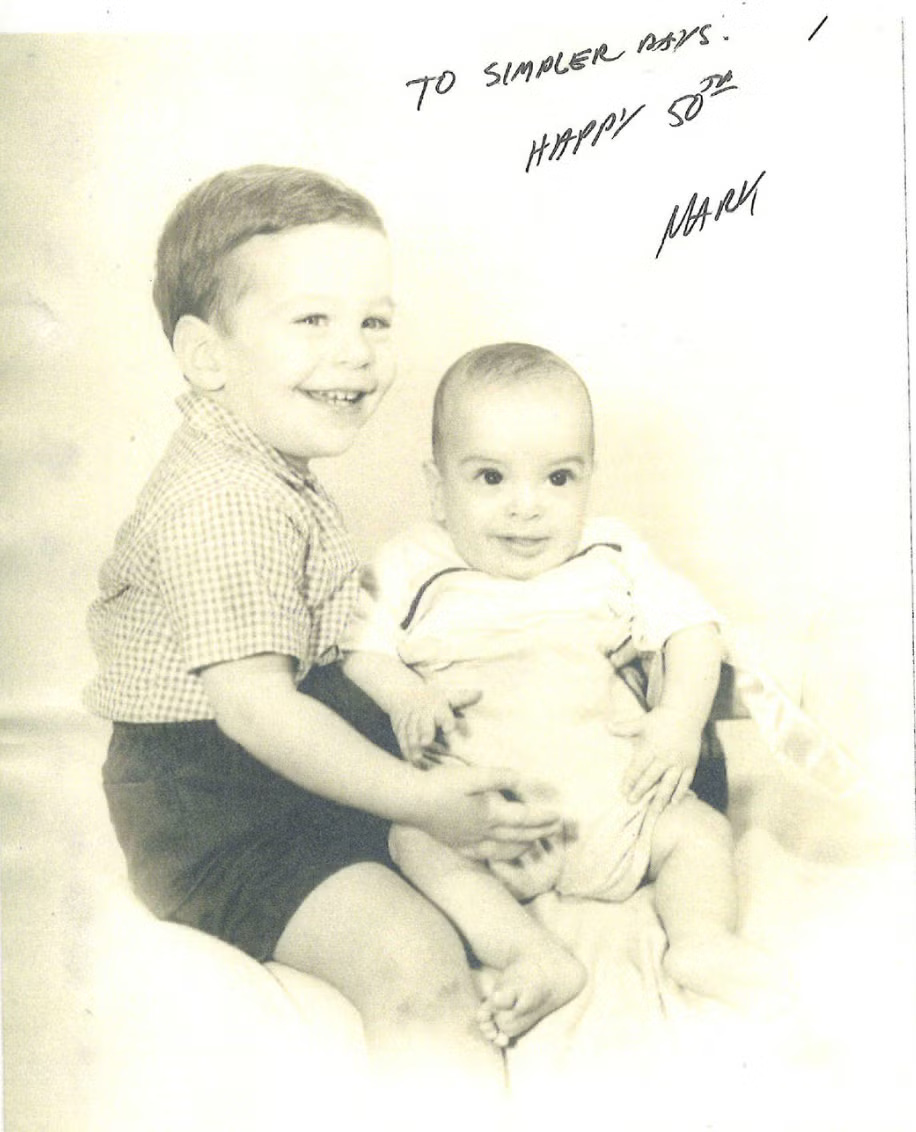
The Epstein brothers grew up sharing space, routines, and a close sibling bond reinforced by the rhythms of public-school life. Both were bright and curious, encouraged by parents who valued discipline and academic achievement. From an early age, each displayed different strengths and interests, but their relationship was grounded in familiarity and loyalty rather than rivalry.
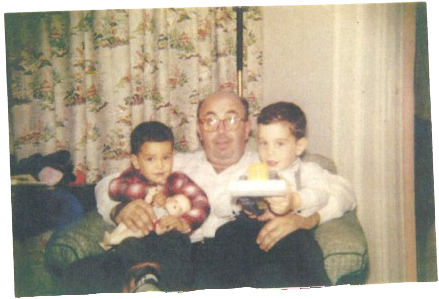
Those early years, Mark has said, remained a reference point throughout their lives, even as circumstances changed dramatically.
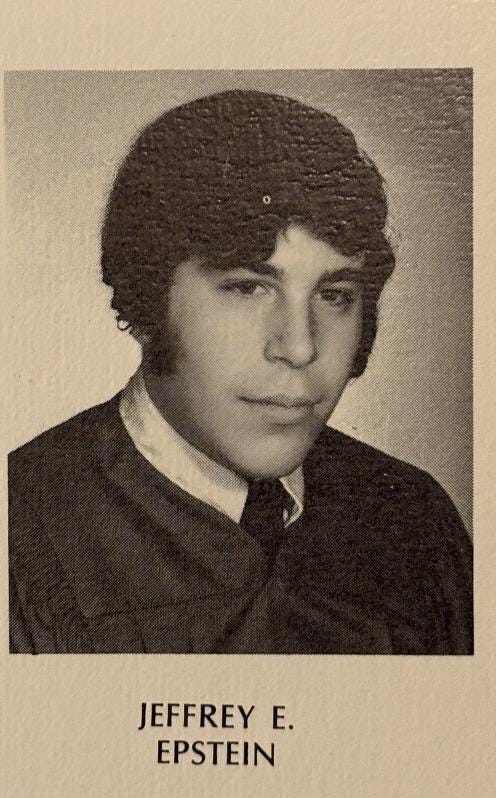
As adults, their paths diverged in form but not entirely in contact. Mark, with an interesting and impressive career history, owned numerous businesses, and moved into real estate development and property management primarily in New York, focusing on tangible assets, long-term projects, and conventional business structures. His work involved residential and commercial properties and followed established legal and financial norms. He developed a reputation as a careful, methodical businessman, operating in an industry that rewards patience and planning.
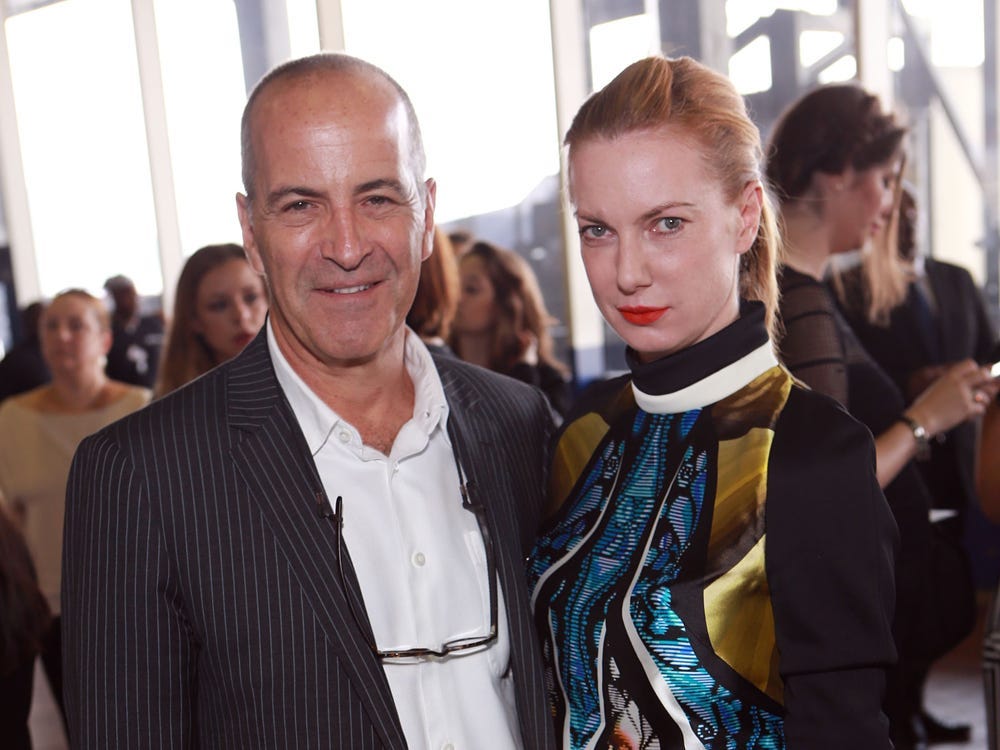
Jeffrey’s career unfolded in a very different sphere, centred on finance, wealth management, and private advisory work that was often opaque even to those close to him. Despite these differences, the brothers remained in regular communication. Mark was one of the few family members who stayed consistently in touch with Jeffrey over the decades, even as Jeffrey’s public profile grew more complicated and controversial. Their relationship, by Mark’s own description, was close but candid, marked by disagreement at times yet sustained by family loyalty.
One of the clearest personal records of their relationship appears in Mark Epstein’s contribution to Jeffrey Epstein’s 2003 birthday book, compiled for Jeffrey’s 50th birthday. Unlike many of the entries, which were stylised, cryptic, or overtly symbolic, Mark’s message was restrained and personal. It focused on shared history, childhood memories, and the enduring bond between brothers who had known each other long before wealth or influence entered the picture.
That familial bond shaped Mark Epstein’s reaction to his brother’s death.
On August 10, 2019, Jeffrey Epstein was found dead in his cell at the Metropolitan Correctional Center in Manhattan. Authorities ruled the death a suicide. Mark expressed disbelief. He stated publicly that his brother had not appeared suicidal, that they had spoken shortly before his death, and that Jeffrey had been focused on preparing his legal defence. Mark said he believed his brother expected to fight the charges and was looking ahead, not retreating from life.

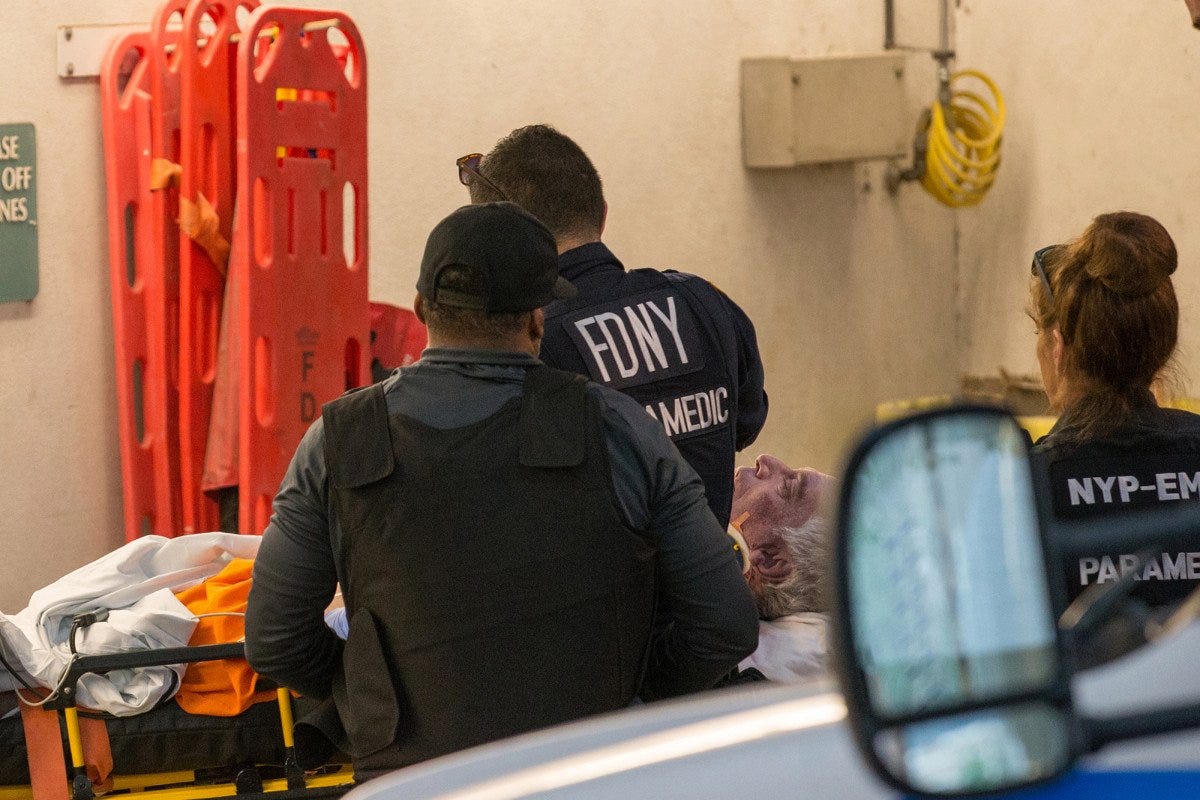
From that moment forward, Mark Epstein became one of the most vocal challengers of the official account. He raised questions about the circumstances surrounding the death, including reported guard failures, malfunctioning surveillance cameras, and procedural irregularities within the federal detention facility. He sought independent forensic opinions, consulted experts in pathology and corrections, and pushed for greater transparency from federal authorities.
Mark has consistently stated that his position is rooted not in denial of allegations against his brother, but in concern over due process and institutional accountability. He has argued that regardless of the charges Jeffrey Epstein faced, his death in federal custody demanded a full and credible explanation. Over time, Mark’s skepticism evolved into a firm belief that his brother did not die by suicide and that the truth of what happened has not been fully disclosed.
He has suggested that Jeffrey Epstein’s death conveniently prevented testimony that could have implicated powerful individuals, and that this context cannot be ignored when evaluating the official narrative. In interviews, Mark has described what he sees as a pattern of rushed conclusions and unresolved contradictions, asserting that the case was effectively closed before critical questions were answered.
In the years since 2019, Mark has devoted himself to pursuing those questions. He has described his efforts as persistent rather than obsessive, driven by a sense of responsibility as both a brother and a citizen. He has acknowledged that his position has made him a controversial figure, but he has maintained that discomfort is secondary to truth.
At its core, Mark Epstein’s story is one of continuity. A man shaped by a modest upbringing, steady professional life, and enduring family ties, now confronting the unanswered questions surrounding one of the most scrutinised deaths of the modern era. He remains committed to uncovering what happened in that Manhattan jail cell, convinced that the official explanation is incomplete — and unwilling to stop asking why.
Listen to my interview with Mark below: