
CASH FOR FALSE CLAIMS: The Unreported Extortion & Blackmail Plot Behind the Epstein Scandal
The Epstein scandal is less about sex than it is about money. Hundreds of millions paid out so far. But no one has really bothered to investigate why that cash was paid or where it has gone.

The guilt-by-association-centric witch hunt, first initiated in fact-bending newspaper articles and online discussion forums, quickly morphed into a money-motivated legal crusade. Lawyers knew that, when it came to anyone associated with Jeffrey Epstein, they could hit the wealthy accused hard, with the support of tabloid journalists and ethically questionable blogsites.
The Epstein scandal is smothered in unsubstantiated allegations of blackmail, particularly relating to the largely debunked idea that Epstein was operating a global child trafficking scheme to blackmail some of the world’s most influential men.
But what most fail to realise is that blackmail and extortion have been highlighted in this case… but it was perpetrated not by that mysterious billionaire now infamously known around the globe, but by the lawyers who went after him.
When he was deposed in 2016, Epstein was questioned by Bradley Edwards.
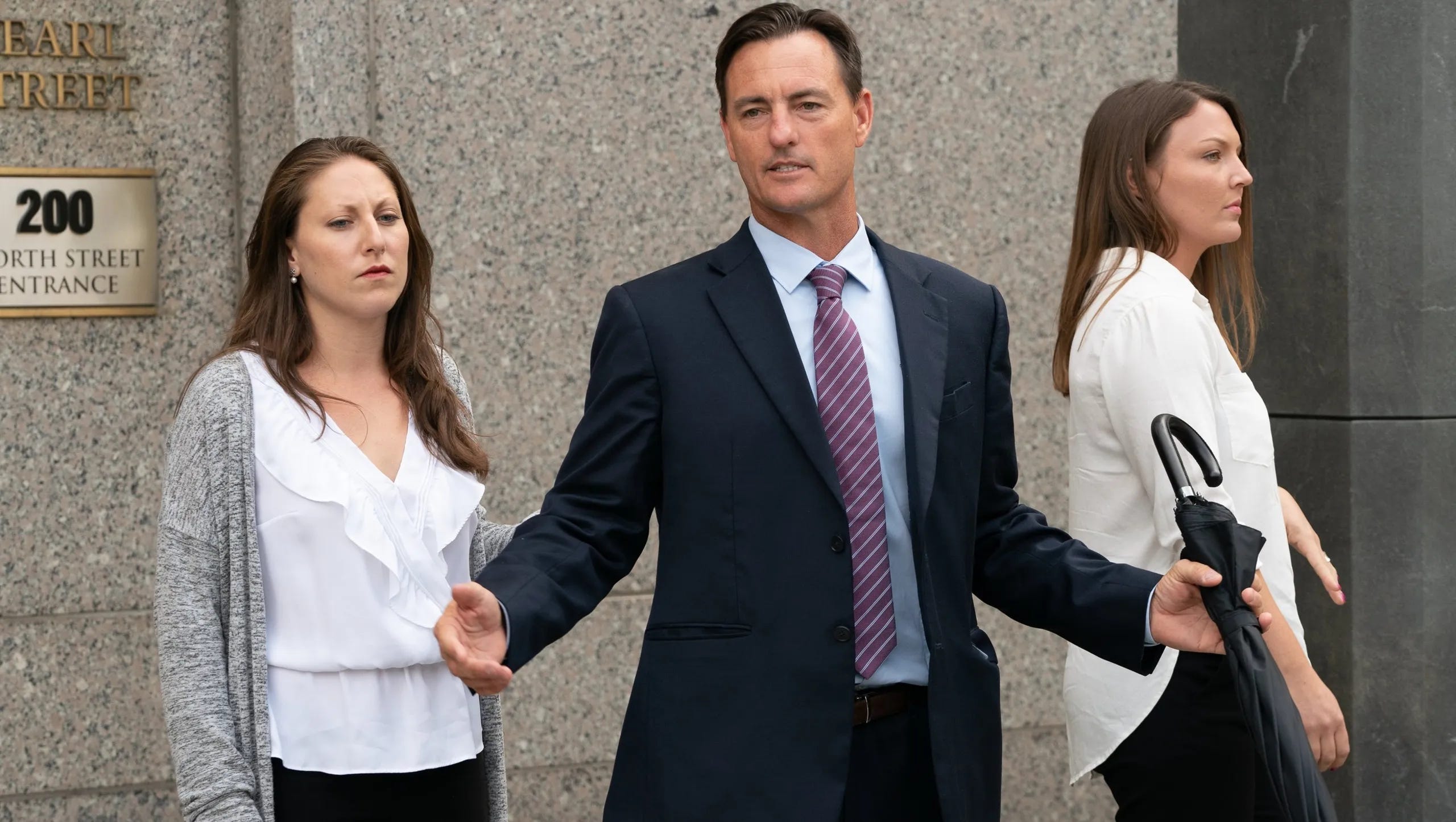
Edwards is a Florida-based attorney who became involved in the Jeffrey Epstein legal cases from as early as 2008, focusing on representing women who said they were sexually abused by Epstein when they were minors, and eventually representing Virginia Giuffre.
You can read my extensive breakdown of the first arrest of Epstein by clicking here. In it, you will see full evidence showing that Giuffre and Haley Robson recruited underage girls, dressed them up in adult clothing, put makeup on them, and told them to lie to Epstein that they were over 18.
Edwards’ entry into the matter began when Courtney Wild, who was one of those girls - those child victims groomed by Robson or Giuffre - approached him with allegations that Epstein had abused her starting at age 14. Wild claimed that, along with other victims, she had been excluded from the federal prosecutors’ decision to negotiate the non-prosecution agreement with Epstein, which resulted in a lenient sentence and shielded his alleged co-conspirators from criminal charges.
Edwards responded by filing lawsuits that challenged the legality of the plea agreement under the federal Crime Victims’ Rights Act (CVRA). That law requires prosecutors to inform victims of major developments in their cases, including plea deals. In the Epstein matter, dozens of girls—later identified in court filings as Jane Does—were never told that such an agreement had been reached. Edwards, working alongside former federal judge Paul Cassell, sought to have the courts recognise that the victims’ rights had been violated and to potentially reopen the criminal case against Epstein.
But many of the lawsuits filed by Edwards and his associates were later found to contain demonstrably false allegations (most notable among them was Virginia Giuffre’s original joinder motion, which contained numerous allegations she later admitted were untrue). Meanwhile, it was quickly becoming clear that something illegal was taking place within his law firm.
During the 2016 deposition, Epstein, on the advice of his lawyers, pleaded the Fifth to almost every question. But, knowing that the deposition would be made public and also seen by the press and any potential future jury, he went off script. He was keen for us all to hear the truth about the man sitting opposite him.
Therefore, he repeatedly issued the same statement, over and over and over, to ensure it stood out in the deposition transcript like a red flag:
“Mr Edwards, your firm has been described by the U.S. Attorney as a criminal enterprise perpetrating one of the largest frauds in Florida’s history. It has been reported that your firm fabricated multiple cases against me and others in order to fleece unsuspecting investors out of millions and millions of dollars.”
Epstein wasn’t lying. At least one of the key lawyers representing Epstein’s accusers even ended up behind bars over the incident.
Edwards came to represent more than 60 women in connection with the Epstein allegations. Many of these clients were part of civil suits against Epstein and his associates, while others were involved in actions brought against the U.S. Department of Justice over the original plea deal. During the early stages of his work on the Epstein cases, Edwards became associated with the Fort Lauderdale law firm Rothstein, Rosenfeldt & Adler (RRA), headed by attorney Scott W. Rothstein, a portly man renowned for flashing his wealth and boasting of his many expensive watches. This association began in 2009 when Edwards joined the firm while continuing to represent his Epstein clients. No one knows the full details of their joint work in relation to the Epstein scandal. However, their relationship was short-lived. Within months, Rothstein’s firm collapsed after revelations that he had been running a massive Ponzi scheme.
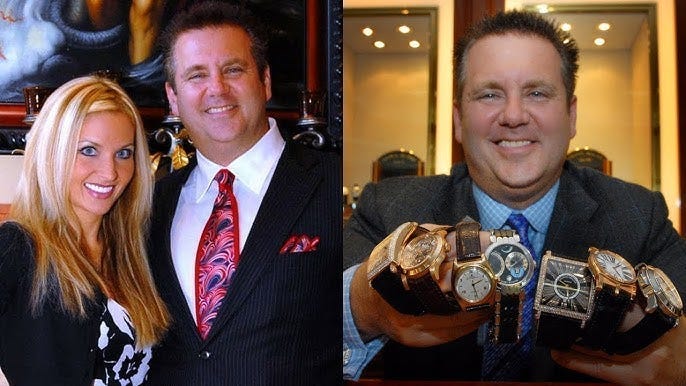
Rothstein’s scam operated in part by falsely representing to investors that they could purchase legal settlements paid out in high-profile cases—some of which involved sexual allegations similar to those made by Virginia Giuffre—at a discount. In reality, these settlements did not exist. Investors were paid returns from the funds contributed by newer investors, in classic Ponzi fashion. More false allegations against Epstein and other individuals were soon added, generating even more money.
The fraud unravelled in late 2009, when Rothstein abruptly left the country for Morocco before returning to Florida to turn himself in to federal authorities. In January 2010, he pleaded guilty to charges including racketeering, money laundering, and wire fraud. Federal prosecutors described his crimes as one of the largest financial frauds in Florida’s history, with losses exceeding $1billion dollars. He was sentenced to 50 years in federal prison. In 2020, another figure involved in the Ponzi scheme was arrested. But, to date, not everyone involved has been highlighted or brought to justice.
The Epstein–Rothstein connection became more public when Epstein himself filed a lawsuit naming Edwards and Rothstein. Epstein alleged that the attorneys had solicited false claims from women to be used against him. Edwards denied the accusations, characterising the lawsuit as an effort to intimidate him and discredit his work on behalf of the victims. The case ultimately collapsed when Epstein dropped the claims. In response to Epstein’s actions, Edwards filed a counterclaim for malicious prosecution, asserting that Epstein’s suit had been frivolous and damaging to his professional reputation. This counterclaim became part of the larger legal struggle between Epstein and the attorneys representing his accusers. While that specific dispute did not directly affect the criminal proceedings against Epstein, it underscored the contentious nature of the litigation and the tactics used by both sides.
Although his time at Rothstein’s firm was brief, the association undoubtedly complicated Edwards’s professional life during the Epstein litigation, with Edwards still under suspicion of having had some knowledge or involvement in the fraud.
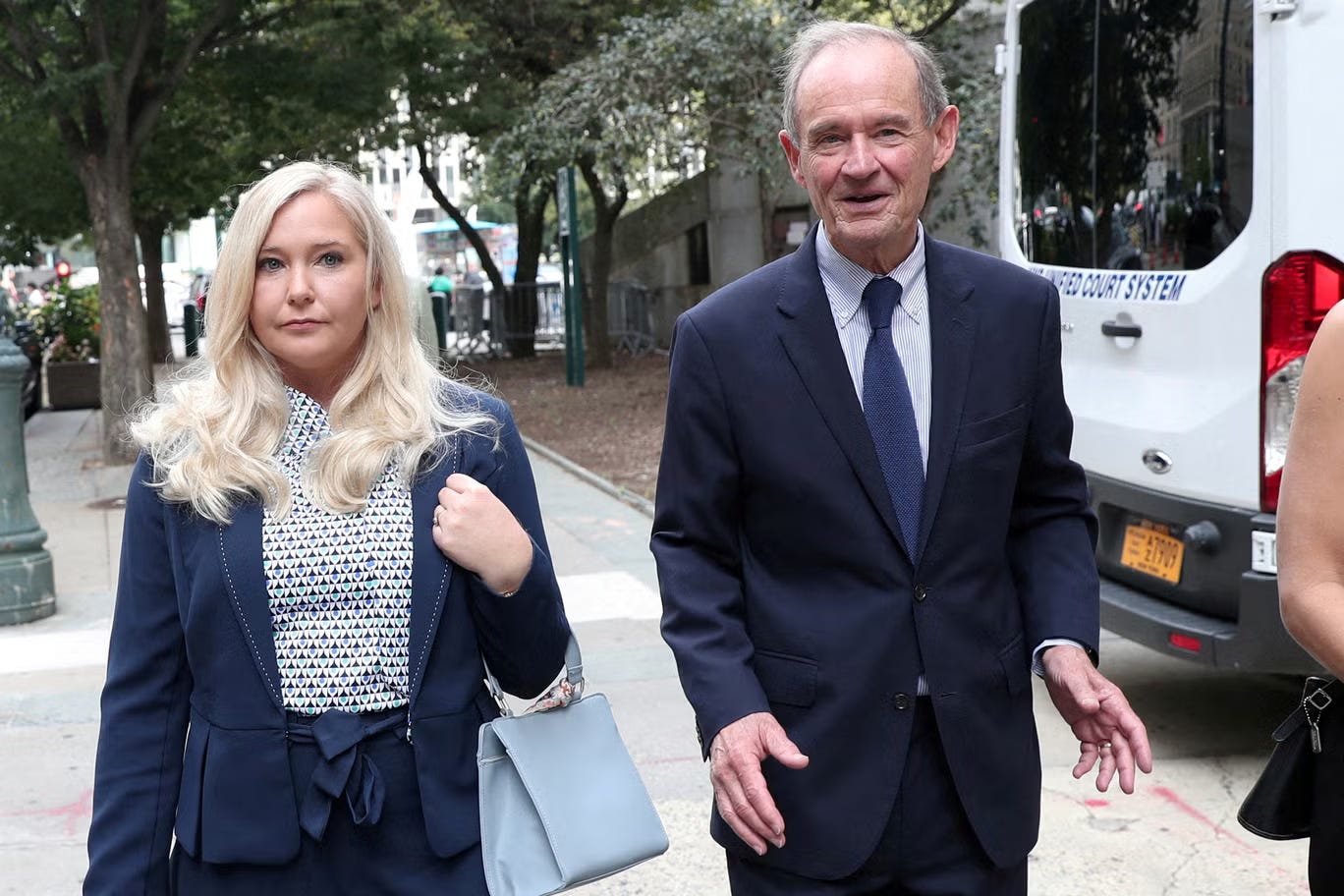
But that didn’t hold him back. He latched onto other accusers, no matter their credibility. And he also began working with another controversial lawyer, the notorious David Boies, allowing him to take over some of his clients, most notably Virginia Giuffre.
“In the beginning, she spoke to the FBI, and the FBI showed her pictures, including a picture of me, and she didn’t identify me as somebody she had sex with,” Professor Alan Dershowitz, who was falsely accused by Giuffre told me during one of our interviews.
“She basically told the FBI she did not have sex with Alan Dershowitz,” he continued. “Then she tells Sharon Churcher [a British journalist] she did not have sex with Alan Dershowitz, and then Churcher writes her an email telling her to name me in her book. So she puts me in the book, but as someone she did not have sex with. She said she had sex with George Mitchell, the former peacemaker in Northern Ireland; she said she had sex with Jacques Cousteau’s granddaughter, who never met her; she said she had sex with a bunch of other people, including another Harvard professor named Steven - I know who he is, but his name is under seal; She says all those things but she says she did not have sex with Alan Dershowitz.”
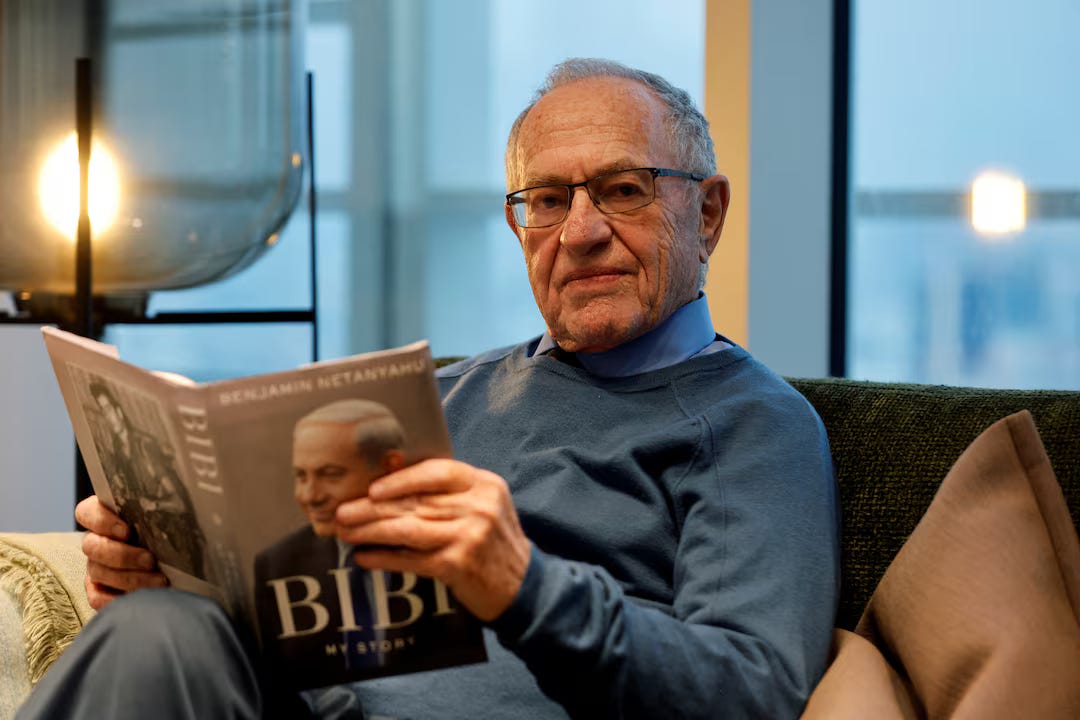
“But then she makes a deliberate decision to commit perjury and submit a false affidavit, suddenly making up the story that she met me and had sex with me, including in front of my house in Cambridge, including on an airplane with two women and in a car with two women, including in places I’ve never been since the time that she met Jeffrey Epstein, and in places I couldn’t possibly have been during the relevant period of time. She made up the entire story; she made a premeditated attack on me and my family. I am the victim of her perjury, her extortion plot, and her attempt to shake down people for money.”
Extortion allegations are widespread in the Epstein Scandal. The New York Times published an intriguing article touching upon just one example of many. The article’s subheading read as follows: “A shadowy hacker claimed to have the financier’s sex tapes. Two top lawyers wondered: What would the men in those videos pay to keep them secret?”
Not long after Jeffrey Epstein was found dead in his jail cell, two of the most famous lawyers in the Epstein case, Edwards and Boies, were approached by a shadowy individual. He was enormous, barrel-shaped through the torso, his beard unruly, his presence hard to ignore. He drank prodigiously, favoured flip-flops, and introduced himself under an assumed name. Patrick Kessler, he said, was not his real identity, but a necessary disguise given the perilous world he claimed to inhabit. What he brought with him was an extraordinary promise. Kessler told the lawyers he controlled a massive digital archive belonging to Epstein, housed on encrypted servers beyond U.S. jurisdiction. According to him, the cache contained years of Epstein’s communications, detailed financial records, and thousands of hours of covert video surveillance taken inside Epstein’s properties.
Hidden cameras, he said, had captured some of the world’s most influential men in compromising sexual situations, even, he claimed, in acts of rape. Kessler said his intention was exposure. If true, his trove would offer an answer to one of the Epstein affair’s most enduring mysteries: how a former high school math teacher with no college degree accumulated what appeared to be a fortune in the hundreds of millions. One long-suspected but unproven theory was that Epstein operated a sprawling blackmail enterprise. Such a scheme could explain why billionaires, scientists, political leaders and even royalty remained fiercely loyal to him, sometimes long after his first criminal conviction. For the two lawyers listening, the implications were enormous. Boies and his longtime lawyer friend, John Stanley Pottinger, immediately grasped the leverage such material could provide. If Kessler was telling the truth, the videos could be used in litigation or to pressure powerful men into private settlements.
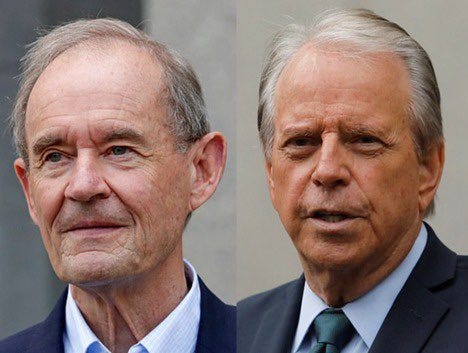
In encrypted Signal messages, Pottinger referred to potential targets as the “hot list.” Pottinger sketched out scenarios in which the lawyers could take as much as 40 per cent of any settlements. In some cases, he suggested, they might even flip sides, moving from representing victims to representing the accused themselves.
Pottinger envisioned a dramatic expansion of his practice. For Boies, whose reputation had taken serious hits in recent years (being accused of bullying Theranos whistleblowers and engaging in conflicts of interest being just two controversies from a long list), there was a chance at redemption, but also money.
None of it would come to pass. No explosive videos emerged. The man once toasted by the lawyers as a “whistle-blower” and “informant” would instead be denounced as a “fraudster” and a “spy.”
Kessler would never expose sexual abuse. But he would expose something else: how elite lawyers, operating at the outer edge of ethics, pursued evidence capable of producing massive settlements to make themselves even wealthier than they already were, while keeping misconduct hidden, allowing alleged abusers to move on untouched.
The man calling himself Kessler first reached out to Edwards. It was late August, roughly two weeks after Epstein’s suicide while awaiting trial on federal sex-trafficking charges. Edwards soon passed Kessler along to his New York partner, John Stanley Pottinger. Seventy-nine years old, silver-haired, Pottinger had once served as a senior civil-rights official under Presidents Nixon and Ford. His career also included stints in investment banking and a run as a bestselling novelist of medical thrillers. He was perhaps better known publicly for having dated Gloria Steinem and Kathie Lee Gifford.
Pottinger later recalled that Edwards cautioned him about Kessler, describing him as “endearing,” “spooky”, and someone who “loves to drink like a fish.” After meeting Kessler in Washington, Pottinger briefed David Boies. He then invited Kessler to his Manhattan apartment. Inside, Kessler took in a wall-mounted frame holding a headless stuffed parrot. On television, the Philadelphia Eagles were rallying against the Washington Redskins. Pottinger poured WhistlePig whiskey. Kessler began to talk. He named names. According to him, the videos showed men already publicly linked to Epstein: Ehud Barak; Alan Dershowitz; Prince Andrew; three billionaires; and a major corporate chief executive.
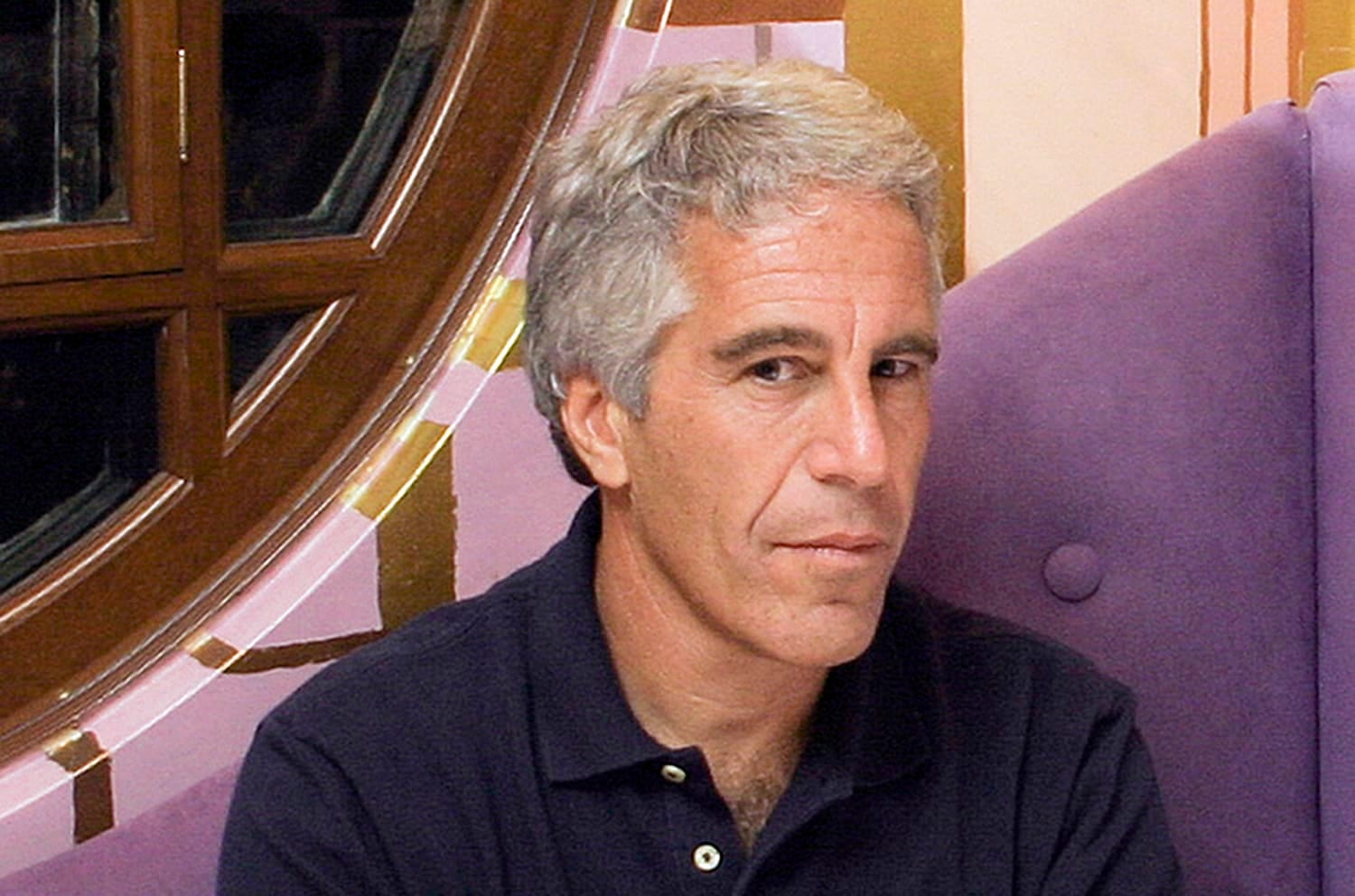
Pottinger presented Kessler with a signed copy of his 2005 novel, The Boss. On the title page he wrote: “Here’s to the great work you are to do. Happy to be part of it.” He also handed Kessler a draft retention agreement allowing him to operate under a false name. “For reasons revealed to you, I prefer to proceed with this engagement under the name Patrick Kessler,” the agreement stated. Pottinger believed Kessler’s files could transform the Epstein cases. Despite Kessler’s theatrical demeanour and fondness for alcohol, even the chance that his claims were real made them irresistible.
On Sept. 9, Kessler arrived at Boies Schiller Flexner’s offices in a gleaming Hudson Yards skyscraper. There, Kessler unfolded a story he would repeatedly revise and embellish. He said he had grown up within a few hours of Washington, that he had been sexually abused as a child by a Bible school teacher, and that he later found community online among victims-turned-hackers who used their skills to combat pedophilia.
According to Kessler, a technology executive had introduced him to Epstein, who in 2012 hired him to build encrypted servers to house his digital archives. With Epstein dead, Kessler claimed he now had unrestricted access to the material. He described more than a decade of continuous footage from dozens of cameras.
“This was explosive information if true, for lots and lots of people,” Boies later said.
Within hours of that meeting, Pottinger began discussing how the supposed evidence could be deployed. In encrypted Signal messages, he and Kessler talked about disseminating some of the material, beginning with the alleged footage of Barak. Israel’s election was days away, and Barak was challenging Prime Minister Benjamin Netanyahu. Pottinger suggested the images could sway the vote and command a high price. “Can you review your visual evidence to be sure some or all is indisputably him? If so, we can make it work,” Pottinger wrote.
When Kessler asked who might purchase the material, Pottinger replied, “Sheldon Adelson.” Pottinger reassured Kessler that Adelson had the influence to damage Barak politically. Boies later said the plan was never carried out, and Israel Hayom’s editor said the paper declined a pitch involving supposed images of Barak.
The men Kessler claimed to have on tape were worth billions. Their representatives had already worked aggressively to contain reporting on their ties to Epstein. The prospect of suppressing incriminating material would have been invaluable.
While lawyers representing abuse victims might be expected to seek public accountability, their relationship with Kessler and their evident intentions demonstrate that money and secrecy were central to the strategy being discussed. Private financial settlements, not prosecutions, were the focus. Exposure was framed as leverage, not an end goal.
Boies and Pottinger spoke of creating a charity, the Astria Foundation, funded by settlements with the men depicted (curiously, they did indeed later help establish a suspicious charity into which victim compensation was paid – but more on that later). Pottinger texted, “We need to get it funded by abusers,” adding that “these are wealthy wrongdoers.” He directed Kessler to compile evidence on a specific group: billionaires, a chief executive, Prince Andrew. “I call it our hot list,” he wrote. “Yes, that’s exactly how to do this,” Pottinger added. “Videos for sure, but email traffic, too.”
In mid-September, Boies and Pottinger invited New York Times reporters to meet Kessler at their offices, believing media interest would increase their leverage and that the media could be used to add pressure on the men whom they sought to squeeze money from in exchange for silence. Before the meeting, Pottinger cautioned Kessler to limit what he revealed. “Let them drink from a fountain instead of a water hose,” he wrote.
Afterwards, Kessler privately complained to reporters that the lawyers were more interested in money than exposure. He showed additional images and made further claims about Epstein’s hidden wealth, though he provided no proof.
Over subsequent meetings, Kessler’s story unravelled. His claims about investments, associates, and classified documents proved false or unverifiable. He admitted, “I am very often being purposefully inconsistent.”
Even so, Boies, Edwards and Pottinger continued to hope the files would materialise and that they could make a lot of money from them.
Seeing dollar signs and a way to exploit the Epstein Scandal for their own financial benefit, they began to plot their next steps. Pottinger proposed hypothetical settlement structures in which lawyers would take up to 40 percent. In another shocking scenario, he proposed that the men accused would hire the lawyers themselves and “make a contribution to a non-profit (controlled by Boies, Pottinger and Edwards) as part of the retainer,” ensuring they would not be sued.
Legal experts later said such arrangements risked crossing into extortion, as they involved threatening disclosure to extract money while suppressing evidence.
The files never arrived. Kessler eventually claimed the servers had been destroyed in a fire. Boies later concluded Kessler was “a fraudster who was just trying to set things up.”
No videos existed. Kessler had lied.
Yet the episode left behind an uncomfortable record: text messages, meetings, and plans showing that the lawyers’ primary interest lay not in exposing abuse or pursuing public justice, but in controlling evidence powerful enough to extract enormous sums of money while keeping allegations buried.
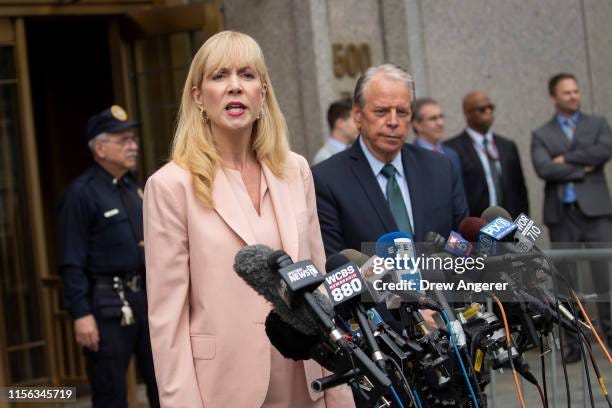
“I could easily have made this thing just go away by simply issuing a statement saying, ‘No, it was a mistake, she never met me, never had sex with me’, Dershowitz continued to tell me in relation to the accusations made against him by Virginia Giuffre and her attorney, David Boies. “But I decided not to do that because I have nothing to hide. I decided to fight back. I produced all my records; I can demonstrate where I was - she has never produced a single record. She said under oath she didn’t know when she had sex with me, she didn’t know the year, she didn’t know the month, she didn’t know the season. And she was foolish because she made up stories about places that I couldn’t have been during the relevant time period. Regarding her claim that she had sex with me on an airplane, there are records of who was on the airplane, and there’s no record of me ever being on the airplane with her. She said she had sex with me in a car, but there are limousine records, and there are no records that document or support anything she’s ever said. From day one, I said there will be no photographs, there will be no honest witnesses, because you can’t have photographs or witnesses to an event that didn’t occur.”
Remarkably, behind the scenes, Boies agreed that his client was not telling the truth.
“Her own lawyers don’t believe her,” Dershowitz continued. “David Boies has told people, and told me on tape, that she was ‘wrong, simply wrong’. So if even her own lawyers don’t believe her, and the government doesn’t believe her, why should anybody believe her?
Dershowitz provided me with a copy of the audio recording he made of his conversation with Boies, telling me that I was the only journalist to have been sent it. Listening, I was able to confirm that Boies did in fact state that, regarding dates Virginia alleged the incidents took place, she was, ‘wrong, simply wrong.’
Dershowitz asserted that, despite Boies knowing that his client was lying, he tried to convince Dershowitz to pay up anyway, suggesting that he cough up $1 million to make the accusations ‘go away’.
A spokesperson for Boies previously addressed this recording with the Miami Herald, their October 2019 article reporting: “In Florida, it is illegal to record over the phone without both parties’ consent. But in other states like New York, one party can record without the other party’s consent. A spokesperson for Boies declined to comment on the matter but pointed to a July affidavit in which Boies says the recording was made without his consent, and that he never doubted Giuffre’s credibility during the conversation. Dershowitz’s transcript of the call, which he has offered up to reporters while refusing to share copies of the actual audio, gives no indication that he asked Boies’ permission.”
Dershowitz had made the recording from his hometown of New York, however, thus breaking no laws (it is perfectly legal in the state of New York to record a telephone conversation without asking for permission from the person on the other end).
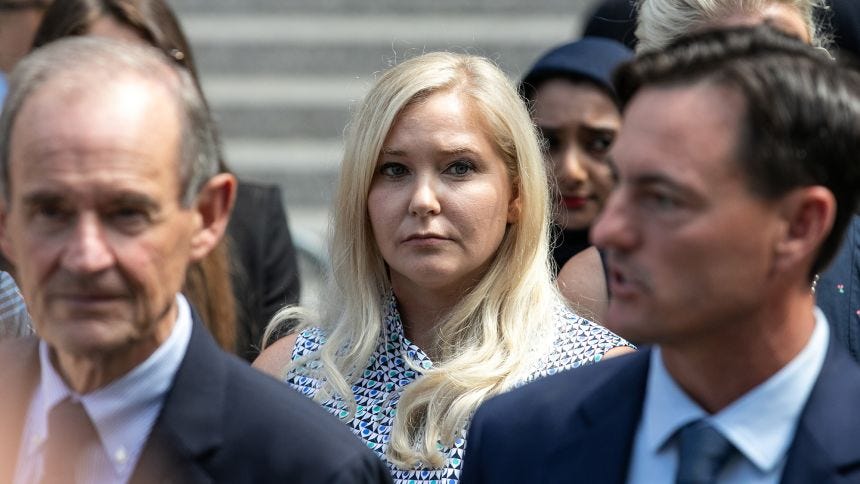
Then, astonishingly, even Sharon Churcher, who first broke the Prince Andrew/Virginia Giuffre story, began to voice her own doubts about Giuffre’s credibility. In the following transcript of a telephone call between Churcher and publisher Tony Lyons, the journalist discussed her run-ins with Virginia; stating that it was “chequebook journalism”, before making further eye-opening statements:
Lyons: How old was she [Virginia], really?
Churcher: Well, she lied. She told me that she took a year off. She apparently was 16, not 15, when she was recruited. But sheʼd been on the game [working as a prostitute] for about a year then. I mean, I have my views... I donʼt believe her in that. I think Brad Edwards, you know, one of her lawyers, hates him.
Speaking about Virginia’s allegations against Dershowitz, she continued:
Churcher: The idea is that he will then pay her off. Itʼs just openly – this really is blackmail.
Lyons: Well, because whatʼs happening, itʼs going to cost him so much money that he gets put in the position where heʼs better off -
Churcher: Just giving her –
Lyons: I donʼt think heʼs going to do that because heʼs not willing to have his legacy sort of tarnished by this, you know. Heʼs 81-years-old.
Churcher: And sheʼll just move on to other people if she gets away with that one too... Apparently, she’s a big spender. She’s spent so much money.
In another taped telephone conversation that Dershowitz provided me with, Rebecca Boylan, the former best friend of Giuffre, corroborated much of what Dershowitz was saying.
Dershowitz: “Tell me how she described him [Leslie Wexner] to you.”
Boylan: “She just told me that he owned Victoria’s Secret and had lots and lots of money, that he was a billionaire.”
Dershowitz: “What did they wanna’ do?”
Boylan: “They wanted to sue him for at least half of his money and use it for this charity that they’re trying to start.”
Dershowitz: “And what would the lawsuit be based on?”
Boylan: “She didn’t say exactly, just him being affiliated with Epstein and [redacted for legal reasons].”
Dershowitz: “And did they think they would have to bring a lawsuit, or did they just think they would be able to threaten a lawsuit and he would pay the money?”
Boylan: “She made it sound to me like they were already talking to him and they were already in the process of suing him.”
Dershowitz: “Was he going to settle it then, or was he going to litigate it? What did it sound like?”
Boylan: “She didn’t really say, but she made it sound like she was pretty positive about it. And then I didn’t hear about it for, like, months. And then the last time she talked about the charity, it wasn’t about him anymore; it was just like raising money, going to celebrity charity events, and she told me she was going to do a bunch of television interviews and use the money that they were paying her for the interviews. She also told me that the lawyers were contributing their own money, like $80,000 or something like that.”
Dershowitz: “The lawyers contributed $80,000 to what, to the fund?”
Boylan: “The charity, to get it started.”
Dershowitz: “And were the lawyers charging her, do you know?”
Boylan: “No, I think it was, what do you call it, pro bono.”
Dershowitz: “But did they expect to get something out of it if they sued this rich guy in Columbus (Wexner) from Victoria’s Secrets?”
Boylan: “She didn’t say that exactly, but it’s kind of like, in retrospect, it’s probably… it seems like it was based on an opportunity to make a lot of money.”
The second part of Dershowitz’s telephone conversation, recorded with Boylan’s permission just like the first, was much shorter.
Dershowitz: “Please repeat what you told me previously.”
Boylan: “That Virginia never wanted to go after you, that she felt pressured by her lawyer.”
Virginia Giuffre and her lawyers finally gave in, the lawsuits were dropped, and no financial settlement was made by Dershowitz. Giuffre issued a public statement admitting that she ‘may have been mistaken’ in accusing him. But everyone could read between the lines: She had lied. Professor Alan Dershowitz was an innocent man.
But unsubstantiated, money-making accusations against high-profile, rich individuals and institutions by Virginia and other women continued to roll in. The flawed and dangerous notion of guilt by association was being promoted across the world. Anyone who was so much as snapped at a public event with Jeffrey became a target.
Giuffre was not the only client of David Boies and Bradley Edwards who was later exposed as a false accuser. Head over to Netflix, click on Epstein: Filthy Rich, and you will instantly be exposed to a clan of them.
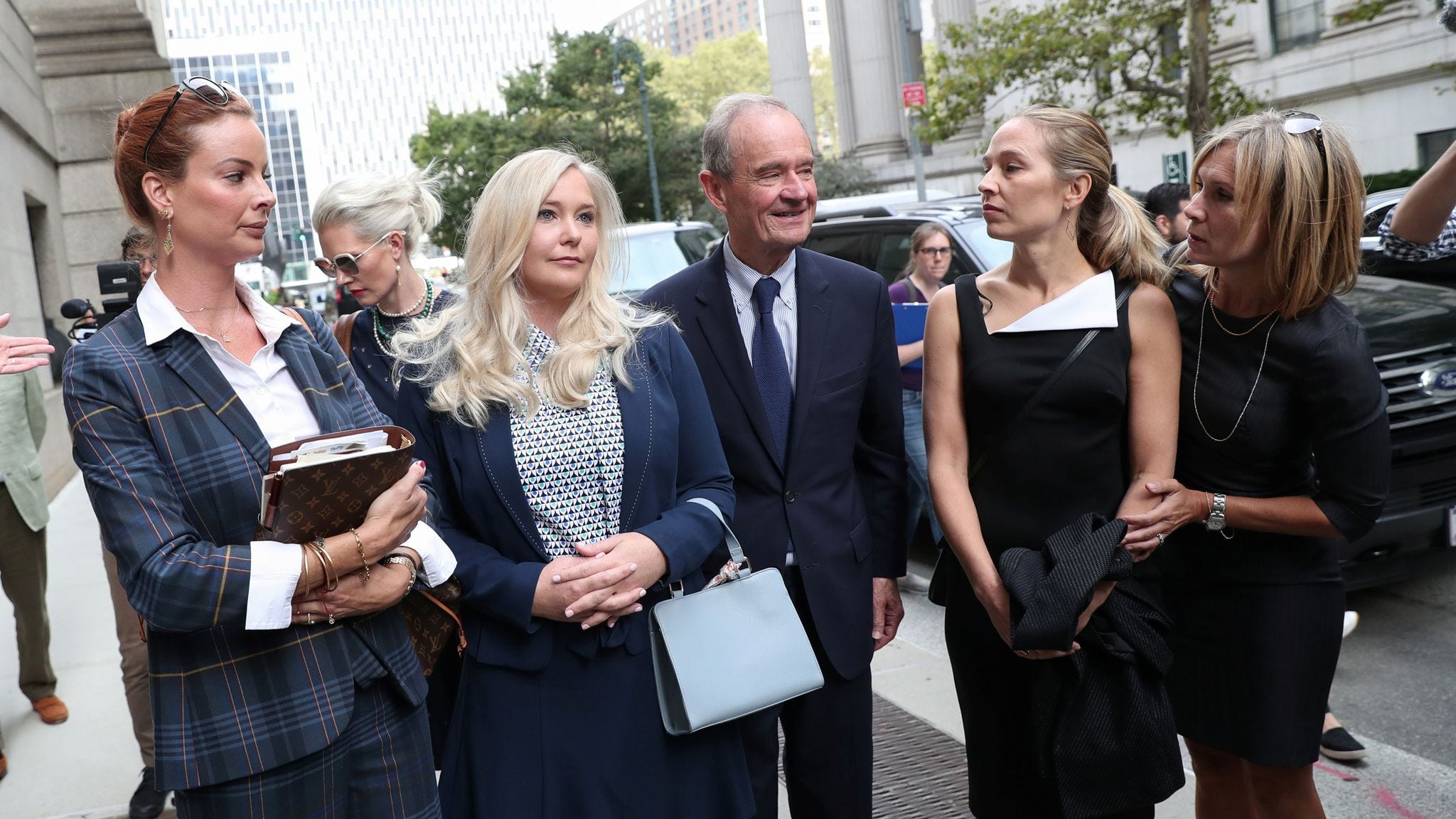
Sarah Ransome tried to get money from the New York Times, asking for an upfront payment for sex tapes she claimed to possess starring Trump, Epstein, Clinton, and Richard Branson. When money was offered to her, but with the caveat that she needed to first provide proof, a flurry of excuses were forthcoming, leading to Ransome inevitably confessing that she’d lied and that no sex tapes existed. Ransome would later claim that Ghislaine Maxwell had helped Epstein to abuse her - but when I interviewed her, she admitted that she’d never witnessed Maxwell engage in any illegal or improper activity.
Juliette Bryant claimed that she’d been essentially held captive on the island and was abused by Epstein. In a victim impact statement submitted to the court for Maxwell’s sentencing hearing, she claimed that Maxwell had helped run the island ‘like a sex factory’. To me, however, she admitted that she’d never seen Maxwell groom, recruit, or abuse anyone. Nor had she witnessed any illegal conduct.
Maria Farmer was found to have made similar false allegations. As did many other key accusers. But none of this stopped Edwards and Boies from continuing to use their false accusations to squeeze innocent individuals and institutions for their own financial gain.
Much of this money remains unaccounted for, vanishing down a warren of ominous private pay-outs to the lawyers and their clients.
It is interesting that Rebecca Boylan should have mentioned Virginia Giuffre’s charity, particularly when we remember that Boies, Edwards, and the rest of the gang were on record, in relation to the Kessler affair, as having suggested early on in the scandal that they could financially benefit from accusations and funnel what was essentially ‘hush money’ into such a charity - because, eventually, they did exactly that.
Funnelling such money into a charity/NPO would have numerous benefits, not least of all legal pros and being able to pay individuals as ‘staff’ and ‘consultants’ while avoiding having to pay tax.
The charity was relaunched shortly before Giuffre, through the direction of her lawyers, most notably Boies and Edwards, filed a lawsuit against Prince Andrew.
Andrew was then denied the ability to submit Giuffre’s first memoir as evidence in his defence, a memoir in which Giuffre is proven to have falsely claimed that she’d been trafficked to him in New Mexico and had spent a few days having sex with him there (she admitted in 2016 that she’d invented this entire story).
Boies then went on television and used the media to pressure Andrew during the run-up to the Queen’s jubilee. Knowing Andrew’s team, along with the world, would be watching, Boies threatened that, should Andrew not pay up, he’d depose Andrew’s children and a long list of royals, including Meghan Markle.
Andrew was forced to pay up. And a large part of that payment was made to Giuffre’s charity.
This is where the controversies of Giuffre widen, extending to fellow accusers such as Teresa Helm (formerly listed as the charity’s vice president), and to her lawyers, Edwards (a co-founder and director of the charity), and Boies (whose firm is listed on the charity’s website as a partner).
In an ‘informal’ will drafted by her lawyer, Virginia expressed her intention for her millions to be bequeathed to her children and to SOAR. But the charity, which is now included in the ongoing legal battle as part of her estate, appears to be nothing more than a website, as confirmed by Giuffre herself in a recent deposition. And this website simply directs viewers to other organisations (For instance, anyone going to SOAR for help may find themselves disappointed, for the website simply suggests abuse victims contact the National Trafficking Hotline, which has no connection to SOAR). And all this despite receiving millions of dollars in donations against the promise that the charity would raise awareness of human trafficking and, more specifically, help victims.
In the charity’s bank account, among those millions of dollars, once sat a substantial donation made by Prince Andrew as part of his out-of-court settlement. Nobody seems to know exactly where that money has gone. The late Queen Elizabeth is believed to have contributed the $2.7 million to SOAR from her private Duchy of Lancaster estate. Legal experts said her cash was a charitable asset that could be accessed only by board members of SOAR. It was allegedly being held in an escrow account managed by a third party. No one knows for sure.
Nor does anyone seem to know where the rest of SOAR’s cash has ended up. The charity has not been forthcoming with satisfactory financial transparency. In January 2023, the Daily Telegraph reported about this mystery under the headline, “Virginia Giuffre yet to set up charity despite accepting $2m donation from Prince Andrew,” further adding, “Duke’s accuser has published website ‘for survivors of sex trafficking’ but organisation does not appear to have been officially registered”.
“SOAR is not thought to be officially registered as a non-profit with the Internal Revenue Service, the US governmental department with which charities file their annual accounts and are granted tax-exempt status,” the article continued. “Its website says it was incorporated as Victims Refuse Silence in 2015, but there have been no official filings by that organisation since 2019. The organisation’s website states that SOAR is “dedicated to providing a safe and empowering space for survivors of sex trafficking to reclaim their stories and stand up for themselves and each other. It adds that although it officially launched in November 2021, ’at this early stage, we are not yet accepting donations’. A spokesman declined to comment, although one source insisted that there would be activity ‘soon’.”
But that ‘soon’ has stretched into the passing of another two years, with evidently little to no activity in between. Virginia did, however, as emails made public through Professor Alan Dershowitz’s lawsuit against Virginia demonstrate, and as further evidenced in Boylan’s recorded telephone call, offer her old school friend Rebecca Boylan, who has no recorded experience of working in the NGO sector, a position in the charity. This was after Boylan told her she was in a dire financial situation and was asking her for money.
Who else did Virginia offer positions to, or perhaps offer money from the ‘charity’s’ coffers? The answer is that, due to the lack of financial transparency, we simply just don’t know. A quick check on Guidestar.org shed further light on the controversy. GuideStar is a public charity that aggregates and presents comprehensive information about IRS-registered non-profit organisations in the United States. With a database encompassing over 1.8 million organisations, it is the world’s largest source of information on US non-profits.
The site states the following regarding Virginia’s ‘charity’: “The organisation’s (tax) exempt status was automatically revoked by the IRS for failure to file a Form 990, 990-EZ, 990-N, or 990-PF [informational forms required by law to present financial transparency in order to prove an organisation qualifies to be exempt from paying tax] for three consecutive years. Further investigation and due diligence are warranted.”
On learning this, I did some further digging. Curiously using its former name, ‘Victims Refuse Silence (VRS),’ Bradley Edwards filed an annual report in 2024 (though still I could find no financial transparency within it), listing the organisation’s ‘principal place of business’ as being based at his own head office in Florida. I emailed Edwards, but received no reply. I did, however, manage to speak to another person officially registered as a director of VRS and mentioned by Edwards as a director of the organisation in the report – only to surprisingly discover that she had no idea she’d been registered as such.
On her Twitter account, Eliza Bleu describes herself as ’a survivor and trained survivor advocate, certified in multiple states,’ and she has engaged with Elon Musk in relation to her outspoken campaigning against human trafficking. I spoke to her off and on over a series of months. I found her to be credible, open, and likeable. When I showed her documentation proving that she was officially named as a director, she appeared genuinely flabbergasted. She claimed that she had been approached by Virginia and Teresa Helm to help promote the newly fledged organisation on social media (Bleu has a very large following, particularly on Twitter).
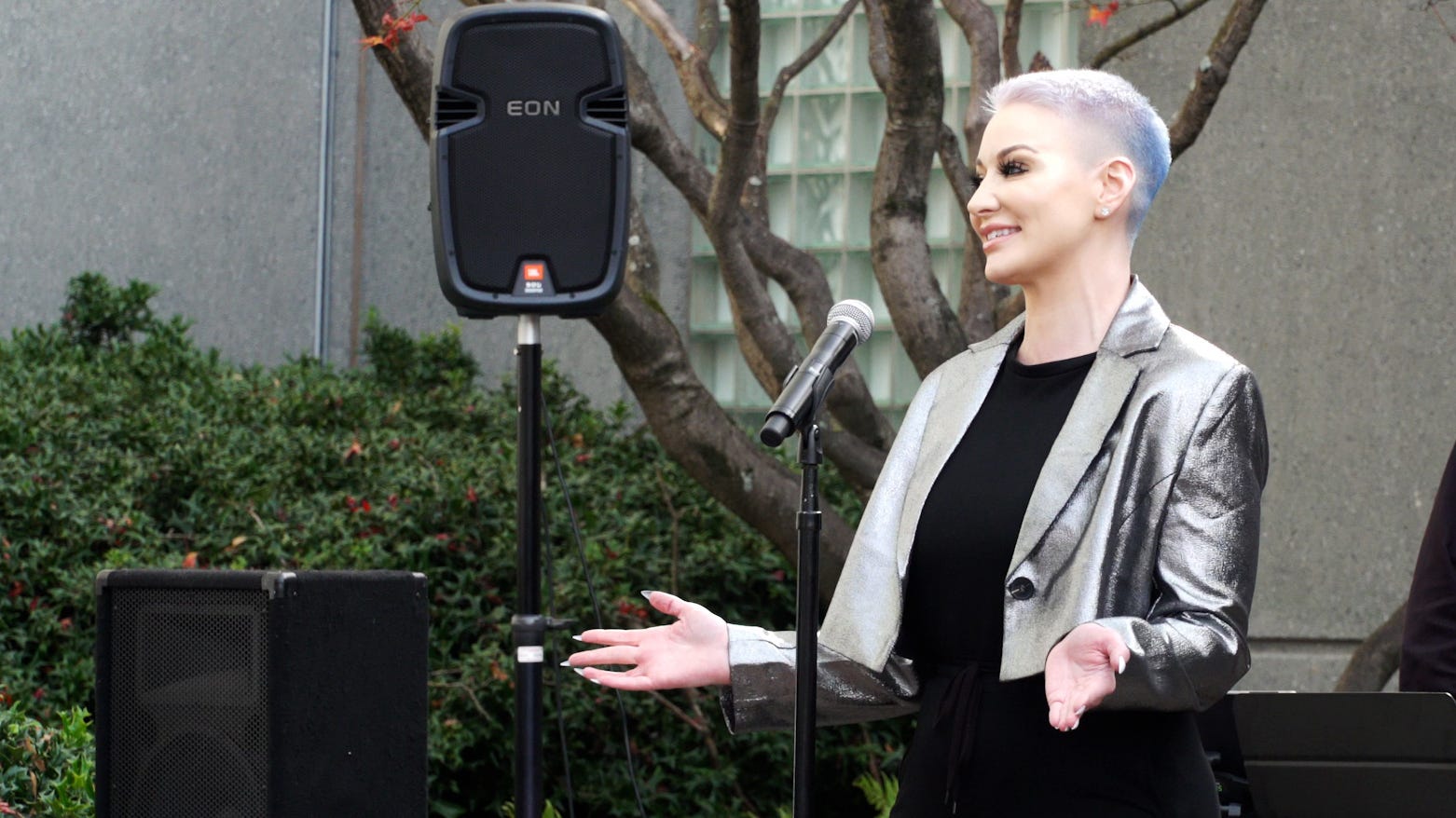
“It was only a website when we met,” she told me. “They asked me to do a video for the fundraiser, and after that they asked me to be part of the organisation. But I never agreed to be a director.” Searching through her emails, Eliza confirmed that she’d been asked to be a board member, but was never sent any request or invitation to be listed as a director, nor had she even been informed of her role by anyone from within the organisation. She also sent me screenshots of her early conversation with Virginia and the VRS’s Vice President, Teresa Helm, corroborating her claim that she was registered as a director without her knowledge or consent.
“Very excited to have you apart [sic] of the team,” Virginia emailed her on the September 25th, 2020. “I know the three of us working together is a match made in heaven!! Please sign and send back. If you do not have a printer, please acknowledge you’ve received this email and agree to the terms attached.”
The attached document was, in fact, a scanned letter, which had already been signed by Virginia but awaited signatures from Helm and Bleu. “Dear Ms. Eliza,” it began. “We would like to welcome you and express our appreciation for the beginning of a long business relationship with our charity, Victims Refuse Silence Inc. We have made a draft of our conversation with you today, Friday, September 25 2020. It contains the ideas of an innovative motivation and dedication to the future of Victims Refuse Silence Inc. I will send you the details of our Dropbox account, where we record on a monthly basis a meeting between the three of us describing our short and long-term goals and notes of our conversations. Teresa Helm, Vice President & Virginia Giuffre, C.E.O., have voted you in and welcome you to Victims Refuse Silence as Chief Administrative Officer. Your role is, and not limited to, strategising ways to best help victims of human trafficking, child sexual exploitation and sexual abuse as a whole.”
Again, Bleu stressed to me that she was never asked to be a director of VRS, and confirmed that she was never paid any money from the organisation - in fact, sending me proof that she had made a donation to the charity in the hope that she would be helping victims of child trafficking. “I agreed to be on the board and to be a chief administrative officer, but they listed me as something other than what I agreed to,” she told me when I showed her that Bradley Edwards, as VRS’s ‘registered agent’, had recorded her as being a director. “That position (chief administrative officer) was the first and only position that I agreed to.”
Bleu claims that shortly after agreeing to come on as a board member and chief administrative officer, she tried to keep in touch with Virginia and Helm but was ‘ghosted’. “It’s crazy to put my name as director without my consent,” she added. “I’d like to get my name removed asap. I want nothing to do with any of it, and I’ll take legal action if needs be.”
It has not been revealed how much money Edwards, Boies, or any of the lawyers have made through SOAR. In fact, most of the huge pay-outs that they’ve facilitated have been made behind closed doors, with no transparency given.
One must question if the 25 men whom Ghislaine Maxwell’s habeas petition claims made secret compensation payments to the lawyers did so under pressure from the aforementioned MO of Boies and co:
Highlight an accusation, genuine or not.
Demand that the accused pay up to keep the accusation private.
Work with the press to enflame the ongoing witch hunt and scare them into finally giving in and paying the hush money.
What we do know is that, by suing institutions and threatening to destroy their reputations via guilt by association if they don’t pay huge compensation settlements, those same lawyers have become multi-millionaires.
A lawsuit launched by Boies, Edwards and their associates alleged that the banking giant JP Morgan and Chase knowingly benefited from Epstein’s alleged trafficking operation by providing banking services and failing to curb suspicious activity. Boies and his pals used immense media pressure to force the bank to settle in 2023 for agreements totalling a whopping $290 million, from which Boies and the other lawyers are rumoured to have pocketed up to 40%.
Deutsche Bank similarly coughed up $75m.
And the lawyers still have ongoing lawsuits against other banks, for which they needed to renew public and media pressure (hence why they began working pro-bono for the House Democrats to release the Epstein files… but I’ll save that story for another day).
And now, those same lawyers, though mired in controversy and accusations of blackmail and extortion, continue to go unscrutinised.
And their next target is Harvard University.
More on that soon.
The full story of blackmail will be included in my upcoming book, NAKED LIES. It will also contain my exclusive interviews with most of the key witnesses in the Epstein scandal, from accusers to the accused.
How can these opportunists claim the moral high ground?
Now, let's speak on the attorney Jeffrey Epstein refers to in his deposition, Jeffrey Marc Herman(and his case against Bryan Singer), which resulted in suspension of practicing law in Oregon for his misconduct. Michael Egan III "victim", later sentenced to 2 yrs prison for investment fraud. This same lawyer achieved $100M from an archdiocese in Miami. In 2009 Florida Supreme Court found him guilty of professional misconduct. I connected the dots...It's about $$ but it is also about CONTROL. (Do what we say, or we have the power to ruin you!!
(The laws that were passed allow them to sue upward to the corporation "because they knew". ---more $$$